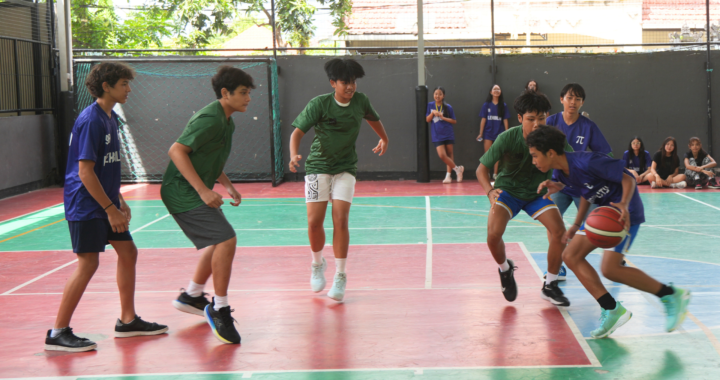
Benefits of Sports for Children

The Benefits of Sports for Children

As global parents, you want the best for your child: a life filled with confidence, health, and happiness. The benefits of sports for children offer exactly that, going far beyond the field or court to shape resilient, empathetic young minds ready for the world.

In a fast paced global society, where children face pressures from screens to academics, sports provide a fun, structured way to build physical strength, mental sharpness, and social bonds.

At Santosa Intercultural School, an International School in Bali, we see the transformative power of daily exercise, integrating them into our Cambridge Curriculum to nurture well rounded global citizens.

Drawing from expert insights on child development through sports, embrace sports early, and watch your child thrive, not just in games, but in life.

Physical Benefits of Sports: Building Body Strength for a Healthier Future

The physical benefits of sports are a cornerstone for children’s growth, laying the foundation for lifelong health. Regular participation in activities like soccer, swimming, tennis or badminton helps combat childhood obesity, strengthens bones and muscles, and improves cardiovascular fitness.

For global parents, this means your child gains the energy and endurance to explore the world, from Bali’s beaches to urban adventures.

In early years, sports enhance motor skills, coordination, and balance which reduces injury risks later. Unlike sedentary play, sports encourage active lifestyles, helping kids meet the recommended 60 minutes of daily exercise.

Fostering Resilience and Confidence

The mental benefits of sports are profound, helping children navigate emotions and build inner strength. Through wins and losses, kids learn resilience, managing frustration and bouncing back stronger which is an essential way  for facing global challenges like cultural adjustments or academic pressures.

Sports release endorphins, reducing anxiety and depression while improving mood and self esteem.

For children, this emotional growth translates to better focus and reduced behavioral issues.

Global parents often note how team sports teach empathy, as kids support teammates from diverse backgrounds. As an International School in Bali, our activities like group relays emphasize emotional intelligence.

Academic Benefits of Sports for Children: Enhancing Focus and Performance in School

Surprisingly, the benefits of sports extend to academics, where active children often show improved concentration and higher grades.

Physical activity boosts brain function, enhancing memory, attention, and problem solving essential for learning. Studies show sports participants have better attendance and discipline, leading to stronger educational outcomes.

For global children, sports teach time management, balancing practice with studies. In multicultural settings, they promote cognitive flexibility.

Cultivating Teamwork and Friendships Worldwide

The social benefits of sports are invaluable, teaching children to collaborate, communicate, and build friendships across cultures.

Team activities create a great support of leadership and respect, helping kids to navigate group dynamics in a global world. For shy children, sports provide a safe space to connect, reducing isolation.

Globally, sports like basketball or football break barriers, promoting inclusivity. In Bali’s diverse community, they encourage cultural exchange.

At Santosa Intercultural School, our sports teams mix backgrounds, embodying “grow as a group”, which includes students of different nations and build the empathy among them .

Measuring the Impact: Signs Your Child is Thriving Through Sports

Look for increased energy, better mood, and stronger friendships as signs of sports’ benefits. Improved focus and resilience indicate mental growth.

The benefits of sports for children are undeniable, building bodies, minds, and hearts for a global future. As global parents, introduce sports early for lasting joy.

Discover how our School in Bali brings these benefits into our school campus. Visit doremischools.sch.id and grow as a group, flourish as individuals.

Professional Source from:
https://pce.sandiego.edu/child-development-through-sports

Neurodiversity in Early Education

How Neurodiversity in Early Education Boosts Confidence and Provides Support

As modern parents, you’re navigating a world where every child deserves to shine in their own unique way. Neurodiversity in early education is a transformative approach that appreciates diverse minds, turning potential challenges into mind leverages and strength.

Imagine your little one thriving in a classroom where differences are strengths, with sparks of creativity, empathy, and self confidence.

In Doremi Preschool, we embrace this philosophy, blending our IEYC and Cambridge Curriculum with inclusive practices to nurture every child’s potential.

Drawing from expert insights on why embracing neurodiversity matters, this guide shows how neurodiversity in early education can bring joy and achievement to your family.

The clear message? By supporting neurodiverse learning earlier, you’re giving your child the gift of self acceptance and boundless growth. Let’s dive in and discover how this can light up your child’s world.

What Is Neurodiversity in Early Education?

Neurodiversity in early education views neurological differences like autism, ADHD, dyslexia, or giftedness as natural variations in the human brain, not deficits to fix.

It’s about recognizing that “normal” is a spectrum, and every child brings valuable perspectives to the table. In early years (ages 0-8), this means shifting from one size fits all teaching to inclusive methods that honor unique thinking styles.

For global parents, this approach is especially powerful in diverse environments like Bali, where cultural mixes mirror brain diversity.

Traditional education might overlook these variations, leading to frustration, but neurodiversity focused methods celebrate them, fostering joy through acceptance.

As an International School in Bali, our IEYC and Cambridge programs integrate this by adapting activities to individual needs, showing how neurodiversity enriches group learning.

Embracing this early builds a foundation where your child feels valued, reducing anxiety and boosting engagement key to sparking genuine success.

How Neurodiversity in Early Education Boosts Emotional Well Being

One of the greatest gifts of neurodiversity in early education is the joy it brings through inclusion. When children see that they are being understood, they experience less stress and more happiness in learning.

Neurodiverse kids often have strengths like hyperfocus or vivid imagination, which, when supported, lead to moments of pure delight like a child with ADHD leading a creative project with boundless energy.

Globally, this reduces stigma, helping all children develop empathy. In Bali’s multicultural vibe, it means blending neurodiversity with cultural diversity for richer interactions.

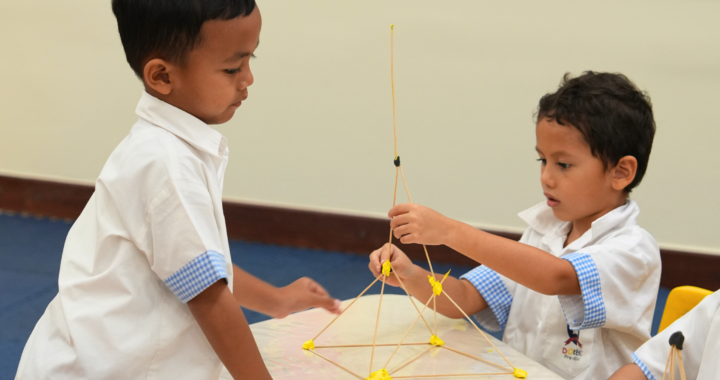
At our school we use flexible grouping in our Curriculum, where neurodiverse traits shine in collaborative tasks, creating impressive classrooms.

Building Empathy and Social Skills Through Neurodiversity

Neurodiversity in early education teaches empathy by exposing children to different ways of experiencing the world. When kids learn alongside neurodiverse peers, they develop patience, communication, and understanding skills that are vital for global citizenship.

This inclusive environment reduces isolation, developing social bonds that lead to gratitude and empathy. In Bali’s community oriented culture, it means enfold differences through shared activities.

As an International School in Bali, our IEYC and Cambridge Curriculum includes role play that highlights neurodiverse perspectives, building empathetic leaders.

Measuring Happiness and Self Confidence

Success in neurodiversity in early education will be shown as an increment of engagement, friendships, and self advocacy. Happiness appears in eager participation and creative expression.

At Doremi Preschool and Santosa Intercultural School, an International School in Bali, we track through detailed observations by our mindful teachers and staff.

We believe that with caring support we can create a better world for every child, despite their own differences.

Neurodiversity in early education boosts confidence and provides support by encouraging unique minds. As modern parents, embrace this for your child’s inclusive future.

Professional Source from:

https://www.cela.org.au/publications/amplify!-blog/dec-2024/embracing-neurodiversity-important


Read more – Doremi Foundation – International School in Bali