Love of Reading

Love of Reading: Building a Lifelong Passion

As parents, you have the key to unlocking a world of imagination, empathy, and endless discovery for your child. In today’s digital age, where screens compete for attention, a love of reading isn’t just a nice to have, it’s essential for holistic growth.

Love of reading needs to be developed from an earlier age as it nurtures emotional resilience, cultural understanding, and lifelong curiosity.

As an International School in Bali, we are living proof how shared reading experiences transform young minds into compassionate global citizens.

Drawing from expert insights on building reading habits, read this guide to empower you with practical tips to spark that enduring love of reading in your home.

Why Love of Reading Matters in Your Child’s Development

Imagine your child eagerly flipping through pages, lost in stories that expand their horizons, that’s the magic of reading. Beyond boosting vocabulary and comprehension, regular reading enhances cognitive skills, critical thinking, and academic success.

But the benefits run deeper: It builds emotional intelligence by exposing kids to diverse perspectives, helping them develop empathy and cultural competence.

In a world full of distractions, love of reading acts as an anchor, providing peacefulness for their mental clarity and stress relief. And as for parents, this is about creating lasting bonds.

At Santosa Intercultural School, we integrate reading to introduce and blend the Indonesian and Cambridge standards, showing kids how books bridge cultures.

Creating a Home Environment That Breathes Love of Reading

Your home is the first classroom for your kids, and making it a haven for books is a simple yet powerful step in parenting.

Start by curating a literacy rich space: keep bookshelves stocked with a variety of genres: encyclopedia, fairy tales, comic books, graphic novels and even magazines, ensuring diversity in characters and stories to reflect our global world.

Design inviting reading area: a cozy and quiet corner with soft cushions, warm yet bright lighting, and a few plants can make reading feel like a treat.

Know your children’s preferences to have a better idea on the categories of the books that you need to stock.

Add some other genre to add varieties that appeal to different preferences, making reading accessible and fun.

Establish family reading time where everyone dives into their own book and leaves out the gadgets from all sights.

At Santosa Intercultural School, we encourage this through group sessions that blend stories from different cultures, helping kids see reading as a bridge to understanding others.

The benefit? It normalizes reading as part of daily life, boosting cognitive development while fostering emotional security through shared family moments.

Empowering Your Child’s Reading Preferences

Forcing our kids to read can be a backfire, but giving autonomy sparks genuine interest. Let your child choose their reads to boost their intrinsic motivation and independence.

Support their favorites by stocking series or authors they adore, and it’s okay if they re-read, it strengthens comprehension and confidence.

Visit libraries or bookstores together, making it a family outing. Or you can simply read the book together to strengthen the bond and relationship as it surely will make your child feel more comfortable during the reading sessions. This approach in love of reading not only enhances literacy but also builds self-esteem.

Make Reading Interactive and Joyful

Turn reading into play to keep it exciting! Use voices, expressions, and gestures while you read the books to your child to bring stories alive, role play scenes with props for added fun.

Ask open ended questions like “What do you think happens next?” to encourage critical thinking and creativity. Extend the magic: Have your child draw favorite scenes or write letters to characters.

This interactivity in love of reading boosts engagement, helping kids relate stories to their lives and develop empathy through diverse narratives.

Connecting Books to Real Life: Make Reading Relevant

Relate stories to your child’s world, choose books about hobbies, trips, or challenges like making friends. Discuss how characters face similar issues as it may build their empathy.

Encourage extensions: Make a journal about connections or create stories from family experiences. This relevance deepens love of reading, enriching cultural competence and emotional understanding.

Your Role in Sparking Lifelong Love of Reading

As parents, your enthusiasm shapes your child’s love of reading. By creating environments, modeling habits, and celebrating progress, you’re building not just readers, but thinkers and empathizers.

Start small, pick a book tonight and watch the magic. If you’re in Bali seeking an International School with Cambridge curriculum that champions love of reading through intercultural stories, explore Doremi Preschool and Santosa Intercultural School under the Doremi Foundation.

We are proud to enhance their literacy skills through our daily routine at all levels. This is one of our ways to broaden their point of view, just as Harry Mazer said: “Books are our windows on the world. They permit us to safely experience other lives and ways of thinking and feeling”.

Visit doremischools.sch.id to discover how we nurture this passion, grow as a group, flourish as individuals.

Professional Source from:

https://www.beanstack.com/blog/tips-for-parents-educators-to-build-a-lifelong-love-of-reading


Read more – Doremi Foundation – International School in Bali

STEM Preschool

Igniting STEM Curiosity in Your Preschooler at Home

As preschool parents in today’s fast paced world, you’re not just raising children, but also you need to nurture future innovators who thrive in physical, mental, emotional, and creative growth. It is important to embody STEM curiosity parenting into their daily play.

By igniting Science, Technology, Engineering and Math (STEM) sparks at home, you’re fostering a sense of wonder that supports your child’s overall well being.

At Doremi Preschool, an International preschool in Bali with The International Early Years Curriculum (IEYC), we see the importance on how integrating STEM into daily play builds resilient, globally minded little ones.

Drawing from expert resources, this guide empowers you to create simple, engaging STEM experiences that blend learning with joy. Let’s explore how these activities can transform your home into a centre of innovation and harmony.

STEM (Science, Technology, Engineering and Math)

STEM is not just about facts, it’s about cultivating a child’s natural curiosity to boost emotional resilience, physical coordination, and mental sharpness.

Preschoolers (ages 2-5) are at a magical stage where their brains are wired for exploration, making it the perfect time to introduce STEM through games and interactive activities.

Research shows that early STEM exposure enhances problem solving skills, boosts confidence, and even reduces anxiety by giving kids a sense of control over their world.

Their physical movements in building a tower tie into emotional satisfaction from achievement, while mental puzzles bring out spiritual wonder about how things work.

In a global lifestyle filled with digital distractions, these home activities ground families in hands on joy. By adopting STEM curiosity parenting, you’re not only preparing your preschooler for future success but also weaving wellness into every discovery.

Simple Setup at Home with STEM Adventures

It doesn’t require fancy kits or hours of preparation to start out a STEAM based parenting. Use everyday items like paper towels, cups, and string to keep it accessible and stress free.

Set up a dedicated “discovery corner” in your home: A low table with bins of recyclables, water, glue and safe tools. This space becomes a sanctuary for exploration, by creating a calm, inviting environment that supports mental clarity.

Involve your preschooler during the setup to build curiosity. For example, a simple question such as “What do you think about this activity?” This open ended question encourages emotional expression while extending their curiosity.

At Doremi Preschool, as an International Preschool in Bali, we set such spaces in our preschool classrooms, blending tech free play with cultural elements for balanced growth. Remember, the goal is joy, not perfection.

11 Engaging STEM Activities to Spark Preschool Curiosity

Drawing from trusted educational insights, here are 11 simple STEM activities ideas for preschool parents. Using household items, these activities may promote hands-on learning, build up their sensory, mindfulness, and family connection. Each is designed for 15-30 minutes, perfect for busy schedules.

1. Build a Winch with Paper Towel Rolls

Craft a simple winch using cardboard tubes, ribbon, and a spool. Ask your preschooler to haul up the ribbon to lift simple objects, learning about pulleys and mechanics. This boosts fine motor skills (physical wellness) and problem solving (mental wellness). Add a twist: Discuss how it feels to succeed, tying into emotional reflection.

2. Create a Scale with Hangers and Cups

Using a plastic hanger, string, and cups, balance a mobile. Kids experiment with weights, exploring physics and balance. This activity teaches about patience and focus, reducing emotional stress while encouraging creative expression.

3. Make Magnetic Slime

Mix glue, water, baking soda, and iron filings, then add some iron oxide powder and magnets. Preschoolers observe magnetic forces, igniting science curiosity. This sensory play supports tactile development and wonder.

4. Explore Condensation with Water Cycles

Fill a jar with room temperature water, cover with a frozen plate to watch the condensation form. Discuss states of matter and weather. This visual experiment fosters environmental awareness, connecting with nature.

5. Design Stop Motion Videos

Use a smartphone app and toys to create short animations. Kids learn sequencing and technology basics. This builds narrative skills and emotional storytelling, perfect for preschoolers’ imaginative minds.

6. Construct a Cardboard Ramp

Build ramps with cardboard and blocks; test toy cars for speed and friction. This engineering fun enhances physical coordination and logical thinking, supporting mental resilience.

7. Mix Color Changing Potions

Combine vinegar, baking soda, and food coloring for fizzy reactions. Preschoolers predict outcomes, learning chemistry. The excitement promotes joy and emotional bonding during family time.

8. Plant Seed Experiments

Grow different kinds of beans in wet paper towels; observe the roots and shoots. This biology activity teaches life cycles and patience, grounding kids in natural wellness.

9. Sort and Count Nature Items

Collect leaves, stones, and shells; sort by size or color. This math play builds classification skills and mindfulness, encouraging outdoor time for physical health.

10. Build Floating Boats

Craft boats from foil, corks or any other materials that you can find at home; test which boats that are able to float on water. Kids explore buoyancy, enhance their curiosity about physics while enjoying water play for sensory wellness.

11. Create Shadow Puppets

Use flashlights and hands to make shadows; experiment with shapes. This introduces light science and creativity, promoting emotional expression through imaginative play.

These activities, inspired by educational experts, transform everyday moments into STEM wonders.

Overcoming Common Challenges in STEM Curiosity Parenting

Preschool parents often worry about mess or time, but STEM Curiosity parenting embraces imperfection. Start small to avoid overwhelming clean up and create a collaborative game teaching responsibility.

If your child loses interest, follow their lead as curiosity is not something that can be forced. For diverse families, adapt activities to cultural contexts, like using local fruits for color experiments.

Start with one activity today, and watch the magic unfold. If you’re in Bali seeking an International School that prioritizes STEM infused education, discover Doremi Preschool under the Doremi Foundation to learn more on how we empower your preschooler to grow as a group and flourish as an individual.

Professional Source from:

https://www.rasmussen.edu/degrees/education/blog/simple-stem-activities-for-kids


Read more – Doremi Foundation – International School in Bali

Holistic Wellness Parenting

Holistic Wellness Parenting – Prioritizing Health in a Busy Global Lifestyle

In the whirlwind of modern parenting, sometimes it feels overwhelming to juggling between careers, family relocations, maintaining a good parenting, and endless to do lists. Embracing holistic wellness parenting isn’t just about surviving, it’s about thriving together.

But what if you could transform that chaos into harmony? Enter holistic wellness parenting: a game changing approach that prioritizes the interconnection between your household and yourself.

As an International School in Bali, Santosa Intercultural School supports this philosophy to nurture resilient, globally minded children.

Drawing from expert insights on how holistic wellness transforms lives, here is a guide that empowers you to create a balanced, loving home where everyone flourishes. Discover how a small and intentional steps can lead to profound family well being.

Understanding Holistic Wellness Parenting: A Comprehensive Approach

Holistic wellness parenting redefines health by viewing your family as an interconnected system, rather than isolated individuals.

Traditional parenting advice often focuses on quick fixes like strict diets for kids or screen time limits but holistic wellness parenting integrates physical, mental, emotional, spiritual, social, and environmental dimensions for true harmony.

This means addressing not just your child’s bedtime routine, but how it connects to your emotional state, family bonds, and even your home environment.

At its core, holistic wellness is about maintaining and balancing your family’s well being and life satisfaction. Unlike conventional methods that treat symptoms in isolation, this kind of parenting recognizes the mind and body connection, where mental clarity influences physical energy, and emotional balance builds stronger relationships.

For busy global parents perhaps managing time zones for work calls while adapting to new cultures is revolutionary. It shifts from reactive parenting (like dealing with meltdowns after a long day) to proactive nurturing, where wellness becomes a family foundation.

At Santosa Intercultural School, we care about holistic wellness parenting in our daily programs. Our curriculum, blending Indonesian national standards with Cambridge International, incorporates mindfulness sessions and outdoor activities that support families in global transitions.

Holistic wellness parenting equips you to handle this by prioritizing a good rest for physical recovery, mindfulness for mental calm, and family rituals for emotional security, aligning perfectly with our school’s vision of growing together while flourishing as individuals.

The Core Pillars of Holistic Wellness Parenting

To implement holistic wellness parenting, focus on its five key pillars, tailored for family life in a fast paced world.

1. Physical Vitality and Movement: Building Strong Bodies Together

Physical health is the bedrock. Try to enhance cardiovascular function, energy levels, sleep quality, and consume booster when needed. Start with simple activities like morning walks along Bali’s beaches or mindful yoga sessions at home. For global families on the move, pack portable resistance bands for hotel rooms or go to gym before you go to your office.

At Santosa Intercultural School, we encourage physical vitality through intercultural sports and nature based play, helping children build strength while embracing diverse traditions.

Encourage kids to join in turn it into a game where everyone tracks steps with a family app. This not only boosts physical health but also models lifelong habits, reducing risks of obesity or fatigue in busy lifestyles.

2. Mental Clarity and Emotional Balance: Nurturing Resilient Minds

Mental and emotional wellness are intertwined, helping families cope with stress, anxiety, and depression through mindfulness and the mind body link.

Busy parents often face burnout from multitasking, but holistic wellness parenting teaches emotional check ins through simple questions such as “How are we all feeling after that long flight?” or “Do you have a good night’s sleep?”. Practice daily mindfulness, like guided breathing exercises during car rides.

For children, this builds emotional regulation, turning potential tantrums into thoughtful moments. In expat life, where homesickness can strike, these tools foster adaptability and comfort, complementing our school’s focus on character building and critical thinking.

3. Spiritual Connection and Purpose: Finding Meaning as a Family

Spirituality here is not about religion, it’s about purpose and inner peace, rewiring the brain for resilience and healthier gene expression. In holistic wellness parenting, creating family gratitude journals or evening reflections will be an important matter, such as “What made us feel connected today?”.

For multicultural families at Santosa Intercultural School, this pillar helps kids amid change, like sharing stories from different cultures during dinner.

It instills a sense of belonging, turning busy schedules into purposeful discussion, in line with our mission to empower students as compassionate global citizens.

4. Social Connections: Strengthening Family Bonds

Strong relationships are key, lowering anxiety, boosting self esteem, and enhancing empathy. Holistic wellness parenting emphasizes quality time, such as device free meals or virtual calls with extended family across borders.

Dr. Gabor Mate says that “Safety is not the absence of threat; it is the presence of connection.” In a modern life, nurture these ties through playdates or community events, helping children build social skills for diverse environments.

5. Environmental Influences: Creating Supportive Spaces

Your surroundings matter, and friendly homes with natural light and clutter free zones reduce mental health risks. For parents, this means creating kid friendly spaces: add indoor plants for air quality, a designated desk for studying, or cozy reading nooks for calm.

In Bali’s tropical climate at Santosa Intercultural School, we incorporate outdoor elements like gardens in our facilities. This pillar ensures your home supports family wellness, countering the disarray of travel.

The Transformative Benefits for Busy Global Families

Adopting holistic wellness parenting yields remarkable results. The balance between physical, mental, and emotional well being is important to create a balanced lifestyle.

This could make an enhanced resilience: Parents report less burnout, while kids show better focus and empathy. In modern life, it prevents isolation from frequent moves, fostering deeper connections and life satisfaction.

Over 300 million people used wellness apps in 2023, proving technology aids tracking progress. The ripple effect? Healthier gene expression, reduced chronic issues, and a joyful home where everyone thrives, aligning with our school’s holistic curriculum that prepares students for positive global impact.

Practical Strategies to Implement Holistic Wellness Parenting

Ready to start? Here’s your step by step guide.

Assess Your Family’s Wellness

Use tools like the Wellness Evaluation of Lifestyle or Body Mind Spirit Inventory to gauge strengths and gaps across pillars. Involve the kids to make it a fun family quiz night.

Set SMART Goals

Create Specific, Measurable, Achievable, Relevant, Time with goals, like “Family yoga three times a week for one month”. This preventive focus boosts outcomes in busy schedules.

Build Daily Rituals

Incorporate intention, attention, and repetition: Morning meditation for clarity, mindful walks for movement, nature time for spirituality, evening reflections for gratitude, and digital detoxes for balance.

Master Time and Energy Management

Align with ultradian rhythms (90-120 minute cycles): Tackle high energy tasks like ourdoor games during peaks, then rest. The 1% Better Approach, don’t forget to add one minute to rituals daily to ensure sustainability.

Leverage Technology and Community

Track with apps, but set your boundaries. Join parent groups or schools for support through workshops and community events.

Overcoming Challenges in Holistic Wellness Parenting

Busy global life brings hurdles: Time constraints from work, cultural or language barriers in new places, or resistance from kids.

Counter it with the flexibility to shorten rituals on hectic days. Educate as a family: Explain benefits to gain buy in. If it seems overwhelming, seek professional guidance, like coaches or personal psychologists.

At Doremi Preschool and Santosa Intercultural School, we address these through our supportive environment, helping families overcome challenges with tailored advice from our in-house psychologists that is available from our kindergarten up to our secondary campus.

Remember, “Wellness isn’t a destination, it’s a continuous trip of growth and discovery.” Progress, not perfection, is the key.

Integrating Holistic Wellness in Education and Daily Life

Schools amplify holistic wellness parenting. At Doremi Preschool and Santosa Intercultural School, an International School in Bali, under the Doremi Foundation, we weave these pillars through physical play, emotional discussions, and cultural explorations.

In daily global life, pack wellness kits for travel: Essential oils for calm, healthy snacks for vitality. This healthier lifestyle turns challenges into strengths, fostering the compassionate, resilient students we nurture.

Empower Your Family: Start Your Holistic Journey Today

Holistic wellness parenting transforms a busy modern lifestyle from stressful to sustainable. By balancing the main pillars, setting goals, and building rituals, you’ll nurture a family that’s resilient, connected, and thoughtful.

Try with one assessment today, and your future selves will thank you. Seeking a school that supports this? Explore Doremi Preschool and Santosa Intercultural School, an International School in Bali, for holistic, intercultural education.

Professional Source from:

https://aihcp.net/2024/12/11/how-holistic-wellness-transforms-your-life/


Read more – Doremi Foundation – International School in Bali

Emotional Intelligence

Nurturing Emotional Intelligence in Early Childhood

In early childhood, nurturing emotional intelligence sets the stage for empathetic, resilient adults. Drawing from expert insights, this guide shows how to teach emotional intelligence through simple, everyday practices, turning challenges into opportunities for growth.

What is Emotional Intelligence and Why is it Needed in the Early Stage?

Emotional intelligence is the ability to recognize, understand, and manage your emotions. At its core lies empathy: feeling and responding to what someone else experiences.

For young kids, starts with feeling heard and validated, creating a “safe base” during stressful moments.

Neuroscientists and parenting experts emphasize that practicing empathy early fosters deeper connections and generosity, helping children grow into emotionally intelligent adults.

The Power of Starting Emotional Intelligence Training in Early Childhood

Researchers show kids with strong emotional intelligence handle emotions better, leading to mature, compassionate individuals.

Brief empathy exercises, like watching touching videos, enhance generosity for the children and make them kinder and build their sympathy towards others.

Parents often jump to “fix” mode with logic, but empathy calms the storm first, opening doors to real communication.

Think of it as reframing big feelings as connection opportunities. This approach, backed by experts like neuroscientist William Stixrud, builds a happy home where kids feel accepted.

Practical Strategies to Teach at Home

Empower your toddler or preschooler with these actionable tips:

1. Stay Calm and Reframe: Manage your anger, recognize the big emotions with your child and reframe tantrums as chances to connect. It will help them to think logically and have clear communications.

2. Validating Feelings: Kids need to be heard, and avoid being judgemental at them, instead do validate and try to understand their feelings through questions and statements that reassure them that they are being accepted for being what they are.

3. Accept Their Best Effort: Remember that children do well when they can. Investigate underlying needs without judgment.

4. Be Beside Them: Discuss how they feel about their problem and give your advice so they may understand others’ point of view and learn to solve it themselves.

Empower Your Child’s Future

Teaching emotional intelligence early isn’t just beneficial, it is also transformative. You will raise kids who empathize, collaborate, and thrive.

Start today, try to validate one feeling, and watch the connections bloom. Explore expert resources and integrate these habits daily.

Professional Source from:

https://www.cnbc.com/2021/09/07/the-emotional-intelligence-skill-parents-need-to-teach-kids-according-to-parenting-experts.html


Read more – Doremi Foundation – International School in Bali

Punten Village

The Live-In program in Punten Village, East Java

The Live-In program in Punten Village, East Java, has been one of our annual programs at Santosa Intercultural School for secondary students. As an international school in Bali, we provide students with the opportunity to live with local host families and engage directly with the Javanese way of life.

New Adventure

Experiencing a whole new adventure in a new place with their friends and classmates surely brings them excitement yet cultivates them into the land of diversity and social study.

Our 9th graders did a lot of activities such as agricultural work, traditional cow milking, and were involved in the local micro enterprises. They are also exploring the local tourism sites as well as the traditional dance of the village.

On the other side, the students visited the Otsuka factory in Malang to have a closer look at an international manufacturer. During the factory visit, they did the observation, analyzed the work flow and stacked up their critical analysis.

Independence and Responsibility

Students gain practical insights into Indonesia’s cultural and economic diversity, aligned with our Cambridge curriculum which is tailored to foster critical thinking, inquiry based learning, and global perspectives. This Live-In program is also a good way to escalate their independence and responsibility towards themselves and their belongings.

Continuing our vision of an international school in Bali we aim to broaden their point of view and look up to another community around Indonesia so they are prepared with wisdom, intelligence, and skills to make a positive impact on the world.

Respect for Diversity

Punten Village, or Desa Punten, was one of the infamous communities in East Java that shared their culture and daily life. The students was involved in their daily life as villagers, maintained their area, and showed them the Javanese culture in their day-to-day activities.

The cultural awareness escalates a deeper respect for diversity, and developed adaptive skills through meaningful community engagement. We believe that real world experiences are one of a great way to unlock their full potential to become socially responsible individuals.


Read more – Doremi Foundation – International School in Bali

School in Bali

Santosa Intercultural School in Bali: Guiding Your Child Through AI with Safety and Wisdom

As parents embracing the digital future, helping your child navigate artificial intelligence (AI) can unlock endless possibilities while safeguarding their character.

As one of the international schools in Bali, it is one of Santosa Intercultural School’s concern about how AI can impact our students’ critical thinking, dependency, accessing unfiltered contents, and even it can affect their behaviour.

Sum up from trusted safety guidelines, this guide might help you to a safer exploration for AI, nurturing resilient young minds ready for global challenges.

What is AI and Why it Matters for Kids

AI includes tools like content generators that create or edit images, videos, and text; chatbots for interactive conversations; and summaries that condense information from searches. These can aid quick learning and creativity, but without certain control, it can cause a big risks to our teenagers curious mind.

In our school in Bali, we encourage students to use AI as a tool for positive impact, integrate it with character building to prepare them as compassionate global citizens.

Balancing Benefits and Risks

AI shines in delivering fast facts, inspiring creative projects, and offering chat support. Yet, harms include exposure to inappropriate, illegal content or misuse for bullying and sexual abuse through fabricated media.

Children might unable to differenciate reality and artificial, leading to confusion or misguided behaviors. At Santosa Intercultural School, we are trying to minimizes these by promoting wisdom in tech usage and holistic learning, ensuring kids harness benefits while avoiding pitfalls.

Age Appropriate Strategies to Guide Your Child

Adapt discussions to your child’s stage for effective guidance:

– Younger Children: Use simple talks about “magic” online tools, pointing out clues like unnatural images or movements for them, giving them facts that not everything they see in the screen is real.

– Older Kids and Teenagers: Address misuse openly, define the reasons so they may understand the negate effects create harmful content, and teach them to report to the authorities in your local area or your country if they found something unusual.

Practical Tips for Safe AI Integration

Make AI a positive family experience with these actionable steps:

1. Open Conversations: Ask where they encounter AI, discussing fun uses alongside risks to build awareness.

2. Verify Reality: Cross examine them to spot counterfeits and question content authenticity.

3. Promote Ethical Use: Stress no harmful creation, and know reporting tools like Report Remove for sexual images.

Deriving from the Doremi Foundation’s philosophy at our school in Bali, we empower individual growth through diversity, slowly integrating AI safely into holistic learning program.

Empowering Tomorrow’s Innovators

Guiding your child with AI isn’t about fear it’s about empowerment. By staying engaged yet monitorized, you’ll help them thrive ethically and creatively.

If you’re looking for a school in Bali that apply a balanced and nurturing education, visit Doremi Preschool and Santosa Intercultural School. Let’s shape a safer digital world together start the exploration today!

Professional Source from:

https://www.nspcc.org.uk/about-us/news-opinion/2025/artificial-intelligence-safety-tips-for-parents


Read more – Doremi Foundation – International School in Bali

International School in Bali

Balancing Screen Time: Practical Advice for Parents at International School in Bali

As parents navigating the digital world, it is necessary to manage your child’s screen time. At an International School in Bali such as Santosa Intercultural School, we have seen how technology shapes our young learners. But with expert strategies, screens can enhance education rather than hinder it. Inspired by reliable health insights, this guide empowers you to foster healthy habits, promoting holistic growth in your child’s life.

Understanding the Risks and Benefits of Screen Time

In our tech driven era, screens offer educational perks like interactive apps that build creativity through videos and music. However, overexposure carries risks, including obesity, sleep disturbances, behavioral challenges, and delays in social or language skills. For example, prioritizing hands on toys with caregiver over digital media to support brain development will be a good habit for toddlers under the age of 2.

At Santosa Intercultural School, an esteemed International School in Bali, our approach integrates technology mindfully. We incorporate Indonesian national and Cambridge curriculum to nurture resilient, globally minded students who use screens as tools for positive impact.

Age Specific Guidelines to Set Limits

Customize screen time based on age for the best outcomes:

– Under 18 months: Avoid screens except for family video chats. Introduce high quality content briefly for 18-24 months with supervision.

– Ages 2-5: Limit to one hour per day of enriching programs, accompanied by adult to reinforce real world applications.

– School age children: No fixed hours but you need to ensure it fits daily routines, with ample time for offline play, daily tasks and family interactions.

Our programs at Santosa Intercultural School emphasize critical thinking, ensuring tech complements our character building activities.

Practical Tips for Effective Management

Create a family media plan to make guidance seamless:

1. Establish no screen zones: Keep devices away during meals, bedtime, or study sessions to improve focus and rest.

2. Promote digital citizenship: Teach about online ads, safe behaviors, and evaluating information, such as awareness of cyberbullying or sharing personal details.

3. Be a role model: Demonstrate balanced use; children are the best imitators of their parents.

4. Encourage alternatives: Persuade them to read as their daily habit, explore and play together, and creative problem-solving to counter passive screen time.

Drawing from our holistic philosophy at Santosa Intercultural School, an International School in Bali under the Doremi Foundation, we help kids flourish as individuals while growing together.

Empower Your Child for a Brighter Future

Guiding screen time is about empowerment, not just limits. By implementing these steps, you’ll raise creative, compassionate children prepared for global challenges. If you’re seeking an International School in Bali that prioritizes balanced, intercultural education, discover Santosa Intercultural School today. Contact us to see how we support families in this journey.

Regularly update your daily habits as your child evolves. Take action now for lasting benefits!

Professional Source from:

https://www.mayoclinic.org/healthy-lifestyle/childrens-health/in-depth/screen-time/art-20047952


Read more – Doremi Foundation – School in Bali

FIELD TRIP TO MARINE SAFARI BALI

FIELD TRIP TO MARINE SAFARI BALI

By Ms. Liwis
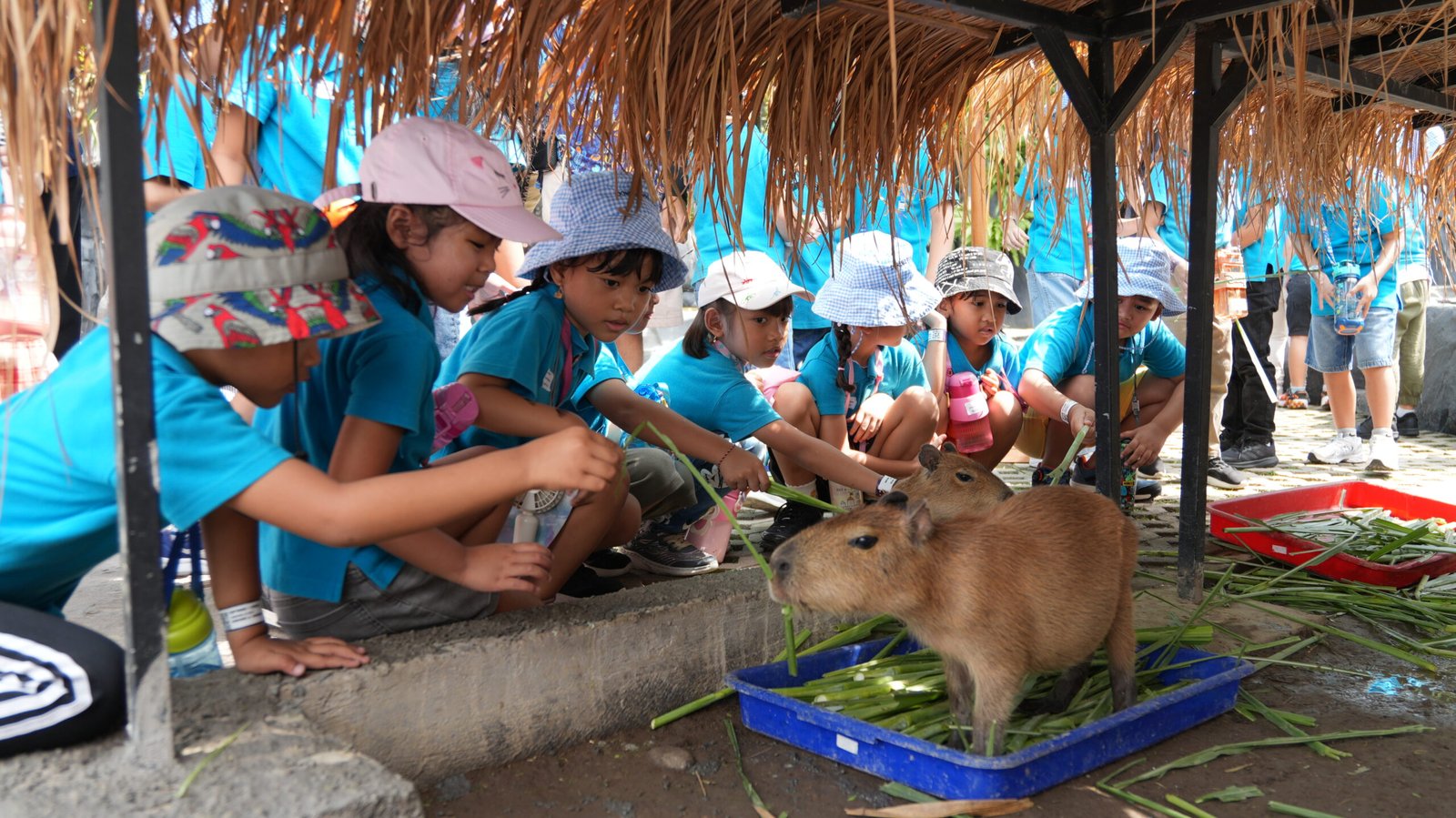
One sunny and happy day, all of us from Doremi Preschool went on a super fun field trip to Marine Safari Bali! We were so excited to explore the underwater world and learn more about sea animals. It was a day full of fun, laughter, and amazing discoveries!
We all hopped on the bus with big smiles on our faces. Along the way, we sang songs, told stories, and talked about the sea animals we hoped to meet: dolphins, turtles, and maybe even sharks! When we arrived, friendly tour guides welcomed us and told us all the fun things we’d be doing.
Once inside, wow! We saw colorful fish swimming in big aquariums, gentle turtles gliding through the water, and even sharks with big teeth. One of the best parts? Watching the dolphin show! The dolphins were so smart and funny. They jumped, spun, and splashed water everywhere!
Guess what? We even got to feed fish and touch real starfish! Some felt soft, while others were bumpy. We learned that every sea animal is special in its own way. It was like being little ocean explorers!
Before we went home, we sat in a circle and talked about all the cool things we learned. We now know how important it is to keep the ocean clean and take care of sea animals. We promised to always throw trash in the bin and tell our friends how to protect the Earth!
Our trip to Marine Safari Bali was so much fun! We made new memories, learned new things, and became little ocean heroes. We can’t wait for our next adventure!

DOREMI PRESCHOOL

Jl. Tukad Yeh Aya No.114, Renon, Denpasar Selatan, Kota Denpasar, Bali 80226. (0361) 244779

STUDENT LED CONFERENCE IN PREP GRAPE

STUDENT LED CONFERENCE IN PREP GRAPE

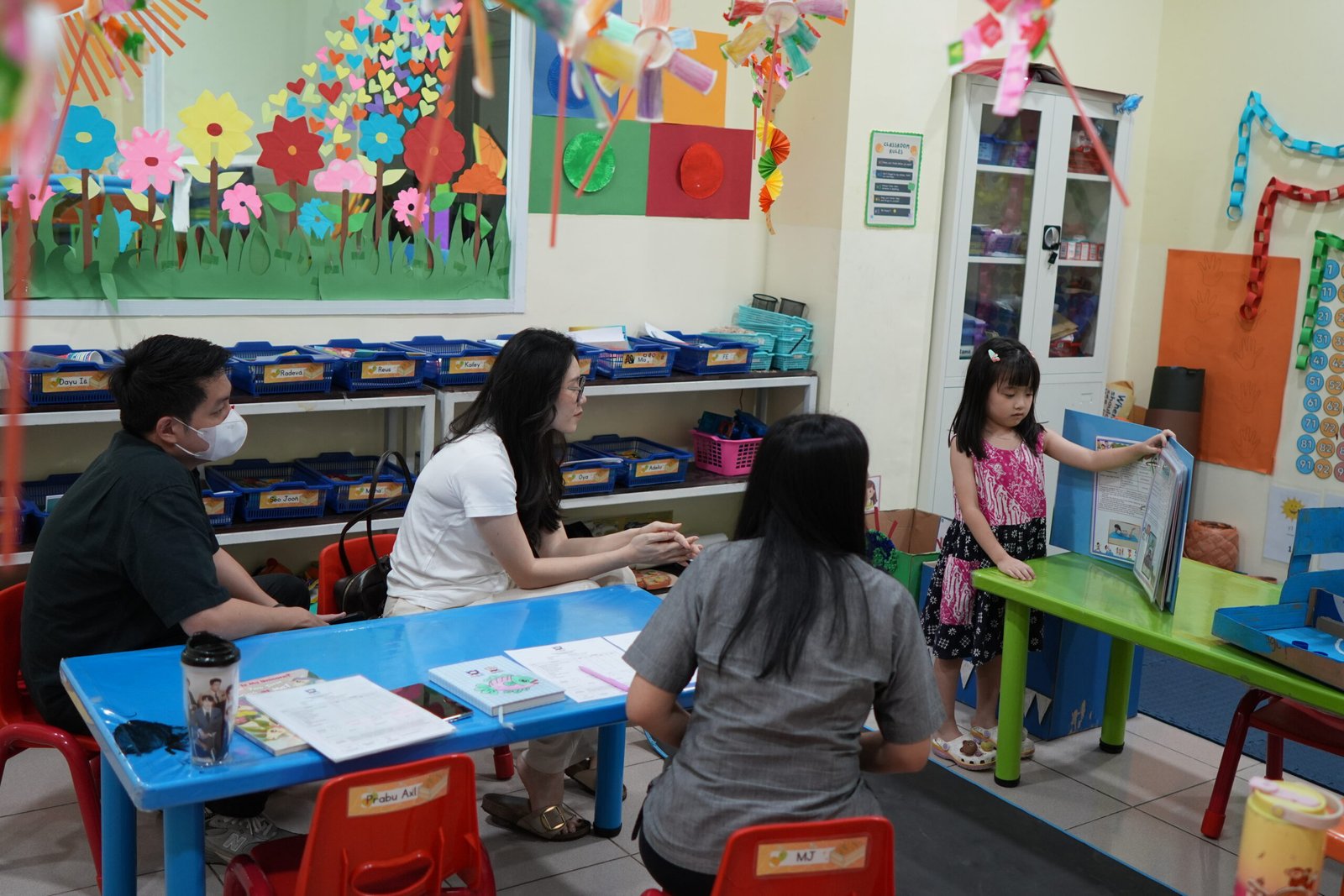
The Student Led Conference is a special event where students take the lead in sharing their learning journey with their parents. Instead of a traditional parent-teacher meeting, students become the presenters, confidently showing what they’ve learned, how they’ve grown, and what they’re proud of. In Prep Grape, this event was a wonderful opportunity for students to showcase their hard work across different subjects.During the conference, Prep Grape students guided their parents through various learning stations.
For STEAM, the children proudly presented a puppet show, featuring characters they designed and created themselves. It was a fun and creative way to show off their storytelling and crafting skills.
In Fun with Numbers, students explored the concept of money. They explained why money is important, introduced the Indonesian currency, and talked about different denominations, showing both their mathematical understanding and real-life application.
In the Writing station, students performed an activity where they unscrambled words to form correct and meaningful sentences, demonstrating their grasp of sentence structure and grammar.
For Life Skills, the focus was on safety. The students practiced and performed how to keep themselves safe in the water, sharing valuable tips and showing their understanding of personal safety.
Lastly, in English, each child read a simple passage aloud, showing off their reading fluency and confidence in using the language.It was a joyful and meaningful event, bringing together parents and children in the learning process.
The Student-Led Conference in Prep Grape not only allowed students to reflect on their progress but also gave parents a deeper insight into what their children have been learning in class. The pride and excitement on the students’ faces made the day truly special.

DOREMI PRESCHOOL

Jl. Tukad Yeh Aya No.114, Renon, Denpasar Selatan, Kota Denpasar, Bali 80226. (0361) 244779

LITERACY WEEK

LITERACY WEEK

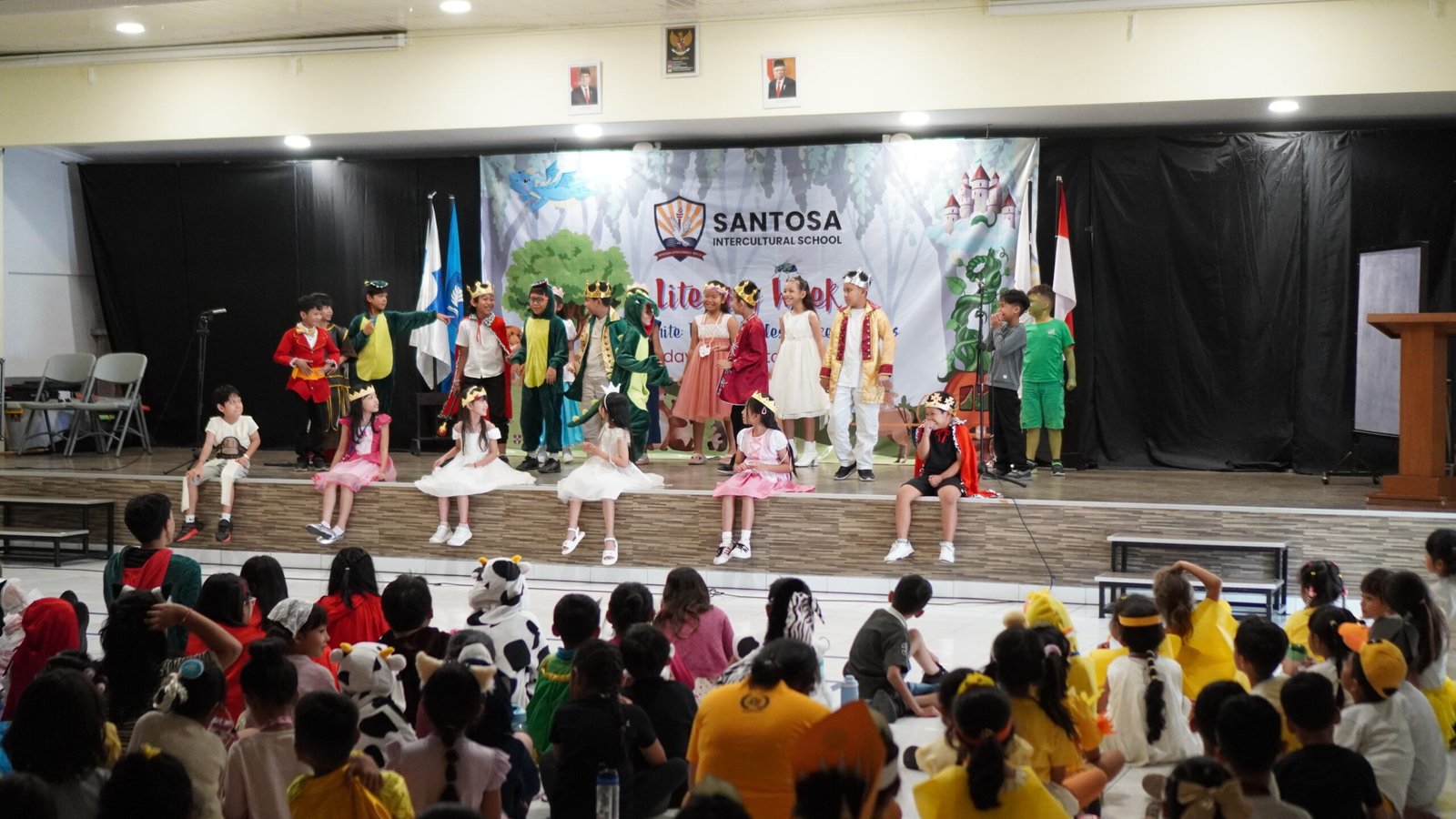
We are thrilled to share the memorable moments and achievements of our Literacy Week celebration! From engaging performances to creative photo competitions, the week was packed with activities that brought books to life and inspired a love for reading.

1. Daily Reading Activities and Themed Performances
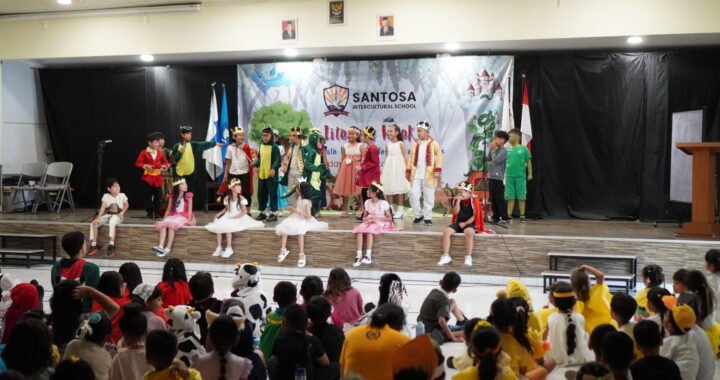
Each day, students participated in exciting reading sessions, exploring stories and discussing favorite characters. On Friday, each grade performed a unique story adaptation, which included:

  • 1A & 1B: The Ugly Duckling
  • 2A & 2B: The Old Lady Who Swallowed a Fly
  • 3A: Little Red Riding Hood
  • 3B: The Princess and the Dragon
  • 4A: Jack and the Beanstalk
  • 4B: The Lion and the Mouse
  • 5A: Goldilocks and the Three Bears
  • 5B: The Three Little Pigs
  • 6A: Cinderella
  • 6B: The Gingerbread Man

The students’ enthusiasm and creativity shone as they brought these classic tales to life, capturing the hearts of teachers, classmates, and visiting parents. Thank you to all families who contributed to the beautiful costumes!

2. Book-in-Unusual-Places Photo Competition
Students also joined our Instagram photo competition, featuring themselves reading in imaginative and unusual places. These wonderful photos truly showcased how reading can happen anywhere! Thank you to all the participants who made this competition so unique and exciting.

3. Friday’s Finale: Costume Day and Movie Time
The week concluded with Costume Day, where students came dressed as characters from their class’s chosen book theme. The school was filled with characters from classic stories, each costume bringing new life to our campus. Afterward, everyone enjoyed a relaxing movie session, where students were able to unwind with snacks and a story on the big screen.

A Heartfelt Thank You
We extend our gratitude to parents for their support in making Literacy Week a success, from helping with costumes to encouraging their children’s love of books. Your involvement plays a significant role in fostering a lifelong appreciation for reading.
Thank you once again for making Literacy Week unforgettable. We look forward to many more enriching and joyful experiences together at Santosa School!

SANTOSA INTERCULTURAL SCHOOL

Jl. Tukad Badung No.88, Renon, Denpasar Selatan,
Kota Denpasar, Bali 80226. (0361) 8956141