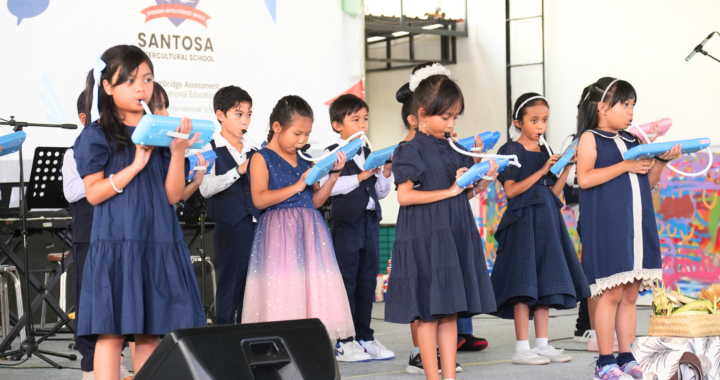
We all know the power of sensory play, but have you discovered how music activities from an earlier age can transform everyday moments into real brain building magic that also add on bursts of joy, and creativity?
In a world full of screens and digital era, music activities for young children offer something beautifully simple: pure fun that actually grows their minds, emotions, and social skills.
At Doremi Preschool and Santosa Intercultural School, we see this magic every day, where children play the music, dance the rhythm, and sing their way to stimulate brains and happier hearts.
Drawing from trusted early childhood research, this guide will show you why music activities for young children are one of the most powerful tools you have as a parent.
Why Music Activities for Young Children Are So Powerful
Music is way above entertainment. It is like a nutritious food for the brain. When young children engage in music activities, multiple areas of the brain light up at once.
Rhythm, melody, movement, and language all work together, creating rich neural connections that support learning for years to come.
According to Bright Horizons, one of the world’s leading early education experts, music activities help children to develop:
- Stronger language and literacy skills
- Better coordination and motor development
- Improved emotional regulation and self expression
- Deeper social bonds and empathy
- Enhanced memory and attention span
The best part? Children don’t even realize that they are “learning”, instead they are simply having fun. This mindfulness approach is exactly why music activities for young children are so effective.
Rhythm Meets Child Development: The Science Behind the Happiness
When children move to music, they’re not just having fun, they are wiring their brains for success. Research shows that regular music activities for young children strengthen the corpus callosum (the bridge between the two sides of the brain), improving coordination, creativity, and emotional processing.
Music also helps children regulate emotions. A slow lullaby can calm an upset toddler, while an upbeat song can lift a grumpy mood. These emotional benefits are especially valuable for global families navigating different cultures and environments.
Make Musicality Activities for Young Children as a Daily Habit
The secret to success is keeping it light and consistent. Even 10 to 15 minutes a day makes a big difference. Here are three easy ways to build the habit:
- Morning Music Greeting: Start the day with a silly hello song.
- Transition Tunes: Use a special song when it’s time to clean up or eat.
- Bedtime Wind-Down: End the day with gentle lullabies or soft humming.
Remember: Your enthusiasm is contagious. When you sing and dance with joy, your child naturally joins in.
Start Today: Your Child’s Musical Journey Begins Now
Music activities for young children are one of the simplest, most joyful ways to support their development and create beautiful memories that last a lifetime.
If you’re in Bali and looking for a school that truly celebrates music and creativity, we’d love to welcome you to Doremi Preschool and Santosa Intercultural School. Our IEYC and Cambridge Curriculum weaves music and movement into daily learning in the most joyful way.
Here’s to happy singing, dancing, and growing together!
Professional Source from:
https://www.brighthorizons.com/article/education/music-and-children-rhythm-meets-child-development