Benefits of Sports for Children

The Benefits of Sports for Children

As global parents, you want the best for your child: a life filled with confidence, health, and happiness. The benefits of sports for children offer exactly that, going far beyond the field or court to shape resilient, empathetic young minds ready for the world.

In a fast paced global society, where children face pressures from screens to academics, sports provide a fun, structured way to build physical strength, mental sharpness, and social bonds.

At Santosa Intercultural School, an International School in Bali, we see the transformative power of daily exercise, integrating them into our Cambridge Curriculum to nurture well rounded global citizens.

Drawing from expert insights on child development through sports, embrace sports early, and watch your child thrive, not just in games, but in life.

Physical Benefits of Sports: Building Body Strength for a Healthier Future

The physical benefits of sports are a cornerstone for children’s growth, laying the foundation for lifelong health. Regular participation in activities like soccer, swimming, tennis or badminton helps combat childhood obesity, strengthens bones and muscles, and improves cardiovascular fitness.

For global parents, this means your child gains the energy and endurance to explore the world, from Bali’s beaches to urban adventures.

In early years, sports enhance motor skills, coordination, and balance which reduces injury risks later. Unlike sedentary play, sports encourage active lifestyles, helping kids meet the recommended 60 minutes of daily exercise.

Fostering Resilience and Confidence

The mental benefits of sports are profound, helping children navigate emotions and build inner strength. Through wins and losses, kids learn resilience, managing frustration and bouncing back stronger which is an essential way  for facing global challenges like cultural adjustments or academic pressures.

Sports release endorphins, reducing anxiety and depression while improving mood and self esteem.

For children, this emotional growth translates to better focus and reduced behavioral issues.

Global parents often note how team sports teach empathy, as kids support teammates from diverse backgrounds. As an International School in Bali, our activities like group relays emphasize emotional intelligence.

Academic Benefits of Sports for Children: Enhancing Focus and Performance in School

Surprisingly, the benefits of sports extend to academics, where active children often show improved concentration and higher grades.

Physical activity boosts brain function, enhancing memory, attention, and problem solving essential for learning. Studies show sports participants have better attendance and discipline, leading to stronger educational outcomes.

For global children, sports teach time management, balancing practice with studies. In multicultural settings, they promote cognitive flexibility.

Cultivating Teamwork and Friendships Worldwide

The social benefits of sports are invaluable, teaching children to collaborate, communicate, and build friendships across cultures.

Team activities create a great support of leadership and respect, helping kids to navigate group dynamics in a global world. For shy children, sports provide a safe space to connect, reducing isolation.

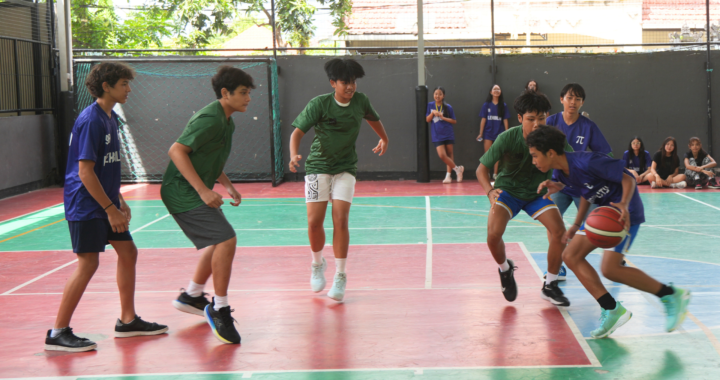
Globally, sports like basketball or football break barriers, promoting inclusivity. In Bali’s diverse community, they encourage cultural exchange.

At Santosa Intercultural School, our sports teams mix backgrounds, embodying “grow as a group”, which includes students of different nations and build the empathy among them .

Measuring the Impact: Signs Your Child is Thriving Through Sports

Look for increased energy, better mood, and stronger friendships as signs of sports’ benefits. Improved focus and resilience indicate mental growth.

The benefits of sports for children are undeniable, building bodies, minds, and hearts for a global future. As global parents, introduce sports early for lasting joy.

Discover how our School in Bali brings these benefits into our school campus. Visit doremischools.sch.id and grow as a group, flourish as individuals.

Professional Source from:

https://pce.sandiego.edu/child-development-through-sports

Neurodiversity in Early Education

How Neurodiversity in Early Education Boosts Confidence and Provides Support

As modern parents, you’re navigating a world where every child deserves to shine in their own unique way. Neurodiversity in early education is a transformative approach that appreciates diverse minds, turning potential challenges into mind leverages and strength.

Imagine your little one thriving in a classroom where differences are strengths, with sparks of creativity, empathy, and self confidence.

In Doremi Preschool, we embrace this philosophy, blending our IEYC and Cambridge Curriculum with inclusive practices to nurture every child’s potential.

Drawing from expert insights on why embracing neurodiversity matters, this guide shows how neurodiversity in early education can bring joy and achievement to your family.

The clear message? By supporting neurodiverse learning earlier, you’re giving your child the gift of self acceptance and boundless growth. Let’s dive in and discover how this can light up your child’s world.

What Is Neurodiversity in Early Education?

Neurodiversity in early education views neurological differences like autism, ADHD, dyslexia, or giftedness as natural variations in the human brain, not deficits to fix.

It’s about recognizing that “normal” is a spectrum, and every child brings valuable perspectives to the table. In early years (ages 0-8), this means shifting from one size fits all teaching to inclusive methods that honor unique thinking styles.

For global parents, this approach is especially powerful in diverse environments like Bali, where cultural mixes mirror brain diversity.

Traditional education might overlook these variations, leading to frustration, but neurodiversity focused methods celebrate them, fostering joy through acceptance.

As an International School in Bali, our IEYC and Cambridge programs integrate this by adapting activities to individual needs, showing how neurodiversity enriches group learning.

Embracing this early builds a foundation where your child feels valued, reducing anxiety and boosting engagement key to sparking genuine success.

How Neurodiversity in Early Education Boosts Emotional Well Being

One of the greatest gifts of neurodiversity in early education is the joy it brings through inclusion. When children see that they are being understood, they experience less stress and more happiness in learning.

Neurodiverse kids often have strengths like hyperfocus or vivid imagination, which, when supported, lead to moments of pure delight like a child with ADHD leading a creative project with boundless energy.

Globally, this reduces stigma, helping all children develop empathy. In Bali’s multicultural vibe, it means blending neurodiversity with cultural diversity for richer interactions.

At our school we use flexible grouping in our Curriculum, where neurodiverse traits shine in collaborative tasks, creating impressive classrooms.

Building Empathy and Social Skills Through Neurodiversity

Neurodiversity in early education teaches empathy by exposing children to different ways of experiencing the world. When kids learn alongside neurodiverse peers, they develop patience, communication, and understanding skills that are vital for global citizenship.

This inclusive environment reduces isolation, developing social bonds that lead to gratitude and empathy. In Bali’s community oriented culture, it means enfold differences through shared activities.

As an International School in Bali, our IEYC and Cambridge Curriculum includes role play that highlights neurodiverse perspectives, building empathetic leaders.

Measuring Happiness and Self Confidence

Success in neurodiversity in early education will be shown as an increment of engagement, friendships, and self advocacy. Happiness appears in eager participation and creative expression.

At Doremi Preschool and Santosa Intercultural School, an International School in Bali, we track through detailed observations by our mindful teachers and staff.

We believe that with caring support we can create a better world for every child, despite their own differences.

Neurodiversity in early education boosts confidence and provides support by encouraging unique minds. As modern parents, embrace this for your child’s inclusive future.

Professional Source from:

https://www.cela.org.au/publications/amplify!-blog/dec-2024/embracing-neurodiversity-important


Read more – Doremi Foundation – International School in Bali

Holistic Wellness Parenting

Holistic Wellness Parenting – Prioritizing Health in a Busy Global Lifestyle

In the whirlwind of modern parenting, sometimes it feels overwhelming to juggling between careers, family relocations, maintaining a good parenting, and endless to do lists. Embracing holistic wellness parenting isn’t just about surviving, it’s about thriving together.

But what if you could transform that chaos into harmony? Enter holistic wellness parenting: a game changing approach that prioritizes the interconnection between your household and yourself.

As an International School in Bali, Santosa Intercultural School supports this philosophy to nurture resilient, globally minded children.

Drawing from expert insights on how holistic wellness transforms lives, here is a guide that empowers you to create a balanced, loving home where everyone flourishes. Discover how a small and intentional steps can lead to profound family well being.

Understanding Holistic Wellness Parenting: A Comprehensive Approach

Holistic wellness parenting redefines health by viewing your family as an interconnected system, rather than isolated individuals.

Traditional parenting advice often focuses on quick fixes like strict diets for kids or screen time limits but holistic wellness parenting integrates physical, mental, emotional, spiritual, social, and environmental dimensions for true harmony.

This means addressing not just your child’s bedtime routine, but how it connects to your emotional state, family bonds, and even your home environment.

At its core, holistic wellness is about maintaining and balancing your family’s well being and life satisfaction. Unlike conventional methods that treat symptoms in isolation, this kind of parenting recognizes the mind and body connection, where mental clarity influences physical energy, and emotional balance builds stronger relationships.

For busy global parents perhaps managing time zones for work calls while adapting to new cultures is revolutionary. It shifts from reactive parenting (like dealing with meltdowns after a long day) to proactive nurturing, where wellness becomes a family foundation.

At Santosa Intercultural School, we care about holistic wellness parenting in our daily programs. Our curriculum, blending Indonesian national standards with Cambridge International, incorporates mindfulness sessions and outdoor activities that support families in global transitions.

Holistic wellness parenting equips you to handle this by prioritizing a good rest for physical recovery, mindfulness for mental calm, and family rituals for emotional security, aligning perfectly with our school’s vision of growing together while flourishing as individuals.

The Core Pillars of Holistic Wellness Parenting

To implement holistic wellness parenting, focus on its five key pillars, tailored for family life in a fast paced world.

1. Physical Vitality and Movement: Building Strong Bodies Together

Physical health is the bedrock. Try to enhance cardiovascular function, energy levels, sleep quality, and consume booster when needed. Start with simple activities like morning walks along Bali’s beaches or mindful yoga sessions at home. For global families on the move, pack portable resistance bands for hotel rooms or go to gym before you go to your office.

At Santosa Intercultural School, we encourage physical vitality through intercultural sports and nature based play, helping children build strength while embracing diverse traditions.

Encourage kids to join in turn it into a game where everyone tracks steps with a family app. This not only boosts physical health but also models lifelong habits, reducing risks of obesity or fatigue in busy lifestyles.

2. Mental Clarity and Emotional Balance: Nurturing Resilient Minds

Mental and emotional wellness are intertwined, helping families cope with stress, anxiety, and depression through mindfulness and the mind body link.

Busy parents often face burnout from multitasking, but holistic wellness parenting teaches emotional check ins through simple questions such as “How are we all feeling after that long flight?” or “Do you have a good night’s sleep?”. Practice daily mindfulness, like guided breathing exercises during car rides.

For children, this builds emotional regulation, turning potential tantrums into thoughtful moments. In expat life, where homesickness can strike, these tools foster adaptability and comfort, complementing our school’s focus on character building and critical thinking.

3. Spiritual Connection and Purpose: Finding Meaning as a Family

Spirituality here is not about religion, it’s about purpose and inner peace, rewiring the brain for resilience and healthier gene expression. In holistic wellness parenting, creating family gratitude journals or evening reflections will be an important matter, such as “What made us feel connected today?”.

For multicultural families at Santosa Intercultural School, this pillar helps kids amid change, like sharing stories from different cultures during dinner.

It instills a sense of belonging, turning busy schedules into purposeful discussion, in line with our mission to empower students as compassionate global citizens.

4. Social Connections: Strengthening Family Bonds

Strong relationships are key, lowering anxiety, boosting self esteem, and enhancing empathy. Holistic wellness parenting emphasizes quality time, such as device free meals or virtual calls with extended family across borders.

Dr. Gabor Mate says that “Safety is not the absence of threat; it is the presence of connection.” In a modern life, nurture these ties through playdates or community events, helping children build social skills for diverse environments.

5. Environmental Influences: Creating Supportive Spaces

Your surroundings matter, and friendly homes with natural light and clutter free zones reduce mental health risks. For parents, this means creating kid friendly spaces: add indoor plants for air quality, a designated desk for studying, or cozy reading nooks for calm.

In Bali’s tropical climate at Santosa Intercultural School, we incorporate outdoor elements like gardens in our facilities. This pillar ensures your home supports family wellness, countering the disarray of travel.

The Transformative Benefits for Busy Global Families

Adopting holistic wellness parenting yields remarkable results. The balance between physical, mental, and emotional well being is important to create a balanced lifestyle.

This could make an enhanced resilience: Parents report less burnout, while kids show better focus and empathy. In modern life, it prevents isolation from frequent moves, fostering deeper connections and life satisfaction.

Over 300 million people used wellness apps in 2023, proving technology aids tracking progress. The ripple effect? Healthier gene expression, reduced chronic issues, and a joyful home where everyone thrives, aligning with our school’s holistic curriculum that prepares students for positive global impact.

Practical Strategies to Implement Holistic Wellness Parenting

Ready to start? Here’s your step by step guide.

Assess Your Family’s Wellness

Use tools like the Wellness Evaluation of Lifestyle or Body Mind Spirit Inventory to gauge strengths and gaps across pillars. Involve the kids to make it a fun family quiz night.

Set SMART Goals

Create Specific, Measurable, Achievable, Relevant, Time with goals, like “Family yoga three times a week for one month”. This preventive focus boosts outcomes in busy schedules.

Build Daily Rituals

Incorporate intention, attention, and repetition: Morning meditation for clarity, mindful walks for movement, nature time for spirituality, evening reflections for gratitude, and digital detoxes for balance.

Master Time and Energy Management

Align with ultradian rhythms (90-120 minute cycles): Tackle high energy tasks like ourdoor games during peaks, then rest. The 1% Better Approach, don’t forget to add one minute to rituals daily to ensure sustainability.

Leverage Technology and Community

Track with apps, but set your boundaries. Join parent groups or schools for support through workshops and community events.

Overcoming Challenges in Holistic Wellness Parenting

Busy global life brings hurdles: Time constraints from work, cultural or language barriers in new places, or resistance from kids.

Counter it with the flexibility to shorten rituals on hectic days. Educate as a family: Explain benefits to gain buy in. If it seems overwhelming, seek professional guidance, like coaches or personal psychologists.

At Doremi Preschool and Santosa Intercultural School, we address these through our supportive environment, helping families overcome challenges with tailored advice from our in-house psychologists that is available from our kindergarten up to our secondary campus.

Remember, “Wellness isn’t a destination, it’s a continuous trip of growth and discovery.” Progress, not perfection, is the key.

Integrating Holistic Wellness in Education and Daily Life

Schools amplify holistic wellness parenting. At Doremi Preschool and Santosa Intercultural School, an International School in Bali, under the Doremi Foundation, we weave these pillars through physical play, emotional discussions, and cultural explorations.

In daily global life, pack wellness kits for travel: Essential oils for calm, healthy snacks for vitality. This healthier lifestyle turns challenges into strengths, fostering the compassionate, resilient students we nurture.

Empower Your Family: Start Your Holistic Journey Today

Holistic wellness parenting transforms a busy modern lifestyle from stressful to sustainable. By balancing the main pillars, setting goals, and building rituals, you’ll nurture a family that’s resilient, connected, and thoughtful.

Try with one assessment today, and your future selves will thank you. Seeking a school that supports this? Explore Doremi Preschool and Santosa Intercultural School, an International School in Bali, for holistic, intercultural education.

Professional Source from:

https://aihcp.net/2024/12/11/how-holistic-wellness-transforms-your-life/


Read more – Doremi Foundation – International School in Bali
Punten Village

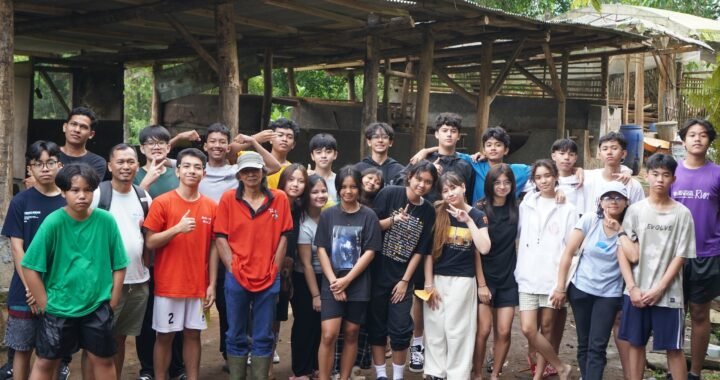
The Live-In program in Punten Village, East Java

The Live-In program in Punten Village, East Java, has been one of our annual programs at Santosa Intercultural School for secondary students. As an international school in Bali, we provide students with the opportunity to live with local host families and engage directly with the Javanese way of life.

New Adventure

Experiencing a whole new adventure in a new place with their friends and classmates surely brings them excitement yet cultivates them into the land of diversity and social study.

Our 9th graders did a lot of activities such as agricultural work, traditional cow milking, and were involved in the local micro enterprises. They are also exploring the local tourism sites as well as the traditional dance of the village.

On the other side, the students visited the Otsuka factory in Malang to have a closer look at an international manufacturer. During the factory visit, they did the observation, analyzed the work flow and stacked up their critical analysis.

Independence and Responsibility

Students gain practical insights into Indonesia’s cultural and economic diversity, aligned with our Cambridge curriculum which is tailored to foster critical thinking, inquiry based learning, and global perspectives. This Live-In program is also a good way to escalate their independence and responsibility towards themselves and their belongings.

Continuing our vision of an international school in Bali we aim to broaden their point of view and look up to another community around Indonesia so they are prepared with wisdom, intelligence, and skills to make a positive impact on the world.

Respect for Diversity

Punten Village, or Desa Punten, was one of the infamous communities in East Java that shared their culture and daily life. The students was involved in their daily life as villagers, maintained their area, and showed them the Javanese culture in their day-to-day activities.

The cultural awareness escalates a deeper respect for diversity, and developed adaptive skills through meaningful community engagement. We believe that real world experiences are one of a great way to unlock their full potential to become socially responsible individuals.


Read more – Doremi Foundation – International School in Bali
International School in Bali

Balancing Screen Time: Practical Advice for Parents at International School in Bali

As parents navigating the digital world, it is necessary to manage your child’s screen time. At an International School in Bali such as Santosa Intercultural School, we have seen how technology shapes our young learners. But with expert strategies, screens can enhance education rather than hinder it. Inspired by reliable health insights, this guide empowers you to foster healthy habits, promoting holistic growth in your child’s life.

Understanding the Risks and Benefits of Screen Time

In our tech driven era, screens offer educational perks like interactive apps that build creativity through videos and music. However, overexposure carries risks, including obesity, sleep disturbances, behavioral challenges, and delays in social or language skills. For example, prioritizing hands on toys with caregiver over digital media to support brain development will be a good habit for toddlers under the age of 2.

At Santosa Intercultural School, an esteemed International School in Bali, our approach integrates technology mindfully. We incorporate Indonesian national and Cambridge curriculum to nurture resilient, globally minded students who use screens as tools for positive impact.

Age Specific Guidelines to Set Limits

Customize screen time based on age for the best outcomes:

– Under 18 months: Avoid screens except for family video chats. Introduce high quality content briefly for 18-24 months with supervision.

– Ages 2-5: Limit to one hour per day of enriching programs, accompanied by adult to reinforce real world applications.

– School age children: No fixed hours but you need to ensure it fits daily routines, with ample time for offline play, daily tasks and family interactions.

Our programs at Santosa Intercultural School emphasize critical thinking, ensuring tech complements our character building activities.

Practical Tips for Effective Management

Create a family media plan to make guidance seamless:

1. Establish no screen zones: Keep devices away during meals, bedtime, or study sessions to improve focus and rest.

2. Promote digital citizenship: Teach about online ads, safe behaviors, and evaluating information, such as awareness of cyberbullying or sharing personal details.

3. Be a role model: Demonstrate balanced use; children are the best imitators of their parents.

4. Encourage alternatives: Persuade them to read as their daily habit, explore and play together, and creative problem-solving to counter passive screen time.

Drawing from our holistic philosophy at Santosa Intercultural School, an International School in Bali under the Doremi Foundation, we help kids flourish as individuals while growing together.

Empower Your Child for a Brighter Future

Guiding screen time is about empowerment, not just limits. By implementing these steps, you’ll raise creative, compassionate children prepared for global challenges. If you’re seeking an International School in Bali that prioritizes balanced, intercultural education, discover Santosa Intercultural School today. Contact us to see how we support families in this journey.

Regularly update your daily habits as your child evolves. Take action now for lasting benefits!

Professional Source from:

https://www.mayoclinic.org/healthy-lifestyle/childrens-health/in-depth/screen-time/art-20047952


Read more – Doremi Foundation – School in Bali