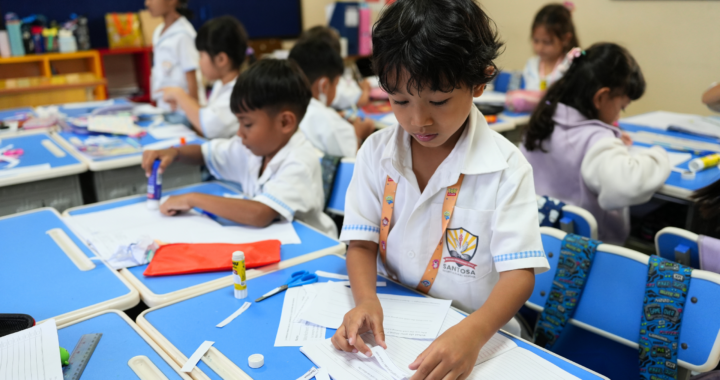
Boredom Advantage

The Boredom Advantage: Why Unstructured Play is Your Child’s Best Teacher

With huge curiosity and the critical mind of today’s youngsters, you’ve probably felt the pressure: keep your child busy, entertained, yet constantly learning. But what if the secret to raising creative, resilient, and happy kids lies in doing the opposite?

The boredom advantage is real and it could be one of the most powerful gifts you give your child.

Kids’ lives today are filled with screens, structured activities, and scheduled playdates, and that makes unstructured play and a little healthy boredom might be exactly what young minds need to explore.

Children who are given space to get bored often become the most imaginative, independent, and thoughtful learners.

Read further to see the explanations of the scientific reasons behind the boredom advantage, why unstructured play is your child’s best teacher, and how you can gently bring more of it into your family life.

The clear message? Sometimes the best thing you can do for your child is giving nothing at all.

Why Boredom Is Actually Good for Children

Most parents worry when their child says “I’m bored.” But according to research from the Greater Good Science Center at UC Berkeley, boredom is not the enemy. Inspite, it’s a powerful catalyst for creativity and self discovery.

When children have unstructured spare time, their brains shift from consuming information to creating it. Without constant entertainment, they begin to invent games, tell stories, solve problems, and explore their own interests.

This process strengthens imagination, emotional regulation, and independent thinking, skills that structured activities often cannot teach as effectively.

The boredom advantage helps children develop internal motivation. Instead of waiting for an adult to guide them, they learn to enjoy the spare time themselves. This is a foundational life skill that supports long-term happiness and success.

The Hidden Power of Unstructured Play

Unstructured play, the kind where children make up the rules, adjust the game, and decide what happens next, is one of the most valuable forms of learning. It builds:

  • Creativity and problem solving skills
  • Social and emotional skills (negotiating, sharing, resolving conflicts)
  • Physical coordination and confidence
  • Resilience (figuring things out when plans don’t work)

In Bali’s natural environment, unstructured play feels even more magical. Children climb trees, build their own kingdom with sandcastles and shellfishes, or invent stories using leaves and stones.

As an International School in Bali, we intentionally protect time for unstructured play in our IEYC and Cambridge programmes. We know that when children are free to explore, they learn more deeply and thoroughly.

What Happens When We Shield Kids from Boredom

The Greater Good Science Center warns that constantly rescuing children from boredom can actually limit their development.

When every moment is filled with activities or screens, children miss the chance to practise patience, creativity, and self entertainment. Over time, this can lead to reduced attention span, lower frustration tolerance, and inability to generate their own ideas.

In contrast, children who experience the boredom advantage learn to trust their own minds and become more resourceful. This way, you will also have the perks of having more “me time” as they will be busier with their imagination. 

Simple Ways to Give Your Child the Boredom Advantage at Home

You don’t need to clear your entire schedule. Small, consistent changes can make a big difference:

  • Create “Boredom Boxes”
    Fill a box with open ended or recycled materials (cardboard, glue, markers, beads, fabric). When your child says they’re bored, point to the box instead of suggesting an activity.
  • Protect Unstructured Time
    Schedule at least 30-60 minutes of free play every day with no adult direction. Let them lead completely.
  • Resist the Urge to Rescue
    When boredom appears, give them some inspiration on what to create, or challenge them to build up something that they’re interested in. 
  • Go Outside
    Nature is the ultimate boredom-buster that sparks creativity. In the tropical heaven like Bali, even a short garden or beach exploration can lead to hours of imaginative play.

These simple freedom help children become more confident, curious, and self-directed learners.

The Long Term Gift of the Boredom Advantage

Children who regularly experience unstructured play and healthy boredom tend to become more creative, emotionally intelligent, and self motivated adults.

They are better at solving problems, handling uncertainty, and finding joy in everyday life. By giving your child the boredom advantage now, you’re preparing them not just for school, but for a fulfilling and successful future.

Start Small Today

You don’t need to make dramatic changes. Simply protect a little more unstructured time each day and resist the urge to fill every moment so they may have the boredom advantage without even knowing one.

Your child’s imagination will do the rest. And if you are looking for a school that truly values the power of play and the boredom advantage, we invite you to discover Doremi Preschool and Santosa Intercultural School, an International School in Bali.

Our holistic approach nurtures both structured learning and free exploration, helping every child grow as a group and flourish as an individual.

Professional Source from:

https://greatergood.berkeley.edu/article/item/what_happens_when_we_shield_kids_from_boredom
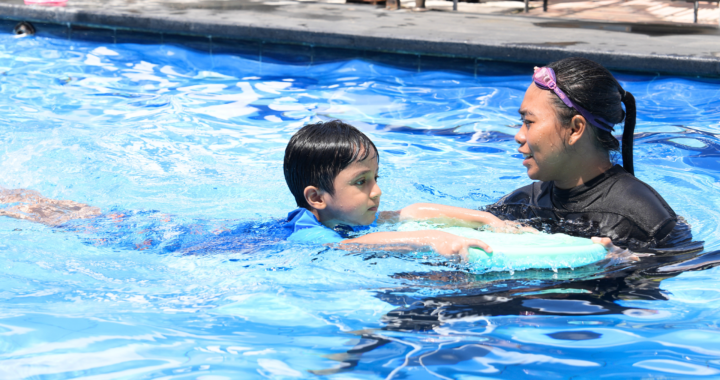
Growth Mindset for Kids

Growth Mindset for Kids: Turning Missteps Into Superpowers

As modern parents, you want your child to be confident, resilient, and ready for whatever life throws at them. But what if the secret to that confidence isn’t perfect grades or being the “smartest” kid in class?

What if it’s learning to see missteps not as failures, but as stepping stones to success? That’s the power of a growth mindset for kids and it’s one of the most valuable gifts you can give to your child.

As an International School in Bali, we don’t just teach subjects. We teach children that their abilities can grow through effort, practice, and learning from mistakes.

This way, we create a mindset that turns challenges into exciting opportunities and helps every child flourish as an individual while growing together as a group.

In this guide, you’ll discover what a growth mindset really means, why it matters more than ever, and simple, practical ways to nurture it at home.

The clear message? When kids learn that mistakes are part of learning, they gain the superpower to keep trying, keep improving, and keep believing in themselves.

What Is a Growth Mindset for Kids?

A growth mindset is the belief that abilities and intelligence are not fixed, they can be developed through dedication, effort, and learning from setbacks.

In contrast, a fixed mindset believes that talent is something you’re born with and it is something that you cannot really change. Children with a growth mindset see mistakes as valuable feedback and bounce back higher. They say “I can’t do it, yet” instead of “I can’t do it.”

Harvard Graduate School of Education research shows that this simple shift in their mindset can dramatically change how children face challenges in life, persist through difficulties, and encourage them to achieve more in life.

Why Growth Mindset for Kids Matters More Than Ever

Just like how babies fall down when they learn to walk before they can run, the children who succeed are not necessarily the ones who never make mistakes. Instead, they are the ones who know how to learn from their shortcomings.

A growth mindset for kids builds:

  • Resilience, they bounce back faster after disappointments
  • Motivation, they stay eager to try new things
  • Confidence, they believe they can improve with effort
  • Creativity, they take risks and explore ideas freely

When children understand that mistakes are very normal and that they can learn something from it, they will become braver learners. They raise their hands more, try harder tasks, and develop the emotional strength needed for a global future.

How to Nurture a Growth Mindset for Kids at Home

You don’t need to be a teacher to build this mindset. Here are simple, everyday strategies you can start using today:

1. Praise Effort, Not Just Results

Instead of saying “You’re so smart!”, try “I’m so proud of how hard you worked on that!”. This teaches children that effort is what leads to improvement.

2. Use the Power of “Yet”

When your child says “I can’t do it,” gently add “yet.”

“I can’t ride my bike yet.”

“I don’t understand this math problem yet.”

This tiny word opens the door to possibility and hope.

3. Share Your Own Mistakes

Tell stories about times you struggled and how you learned from them. Children need to see that even adults make mistakes and that’s okay.

4. Turn Mistakes into Learning Moments

After a setback, ask calm questions:

“What did you learn from this?”

“What could you try differently next time?”

At our school, we use these typical approaches every day. Our Cambridge Curriculum encourages students to reflect on their learning, appreciating every small progress, and view challenges as opportunities to grow.

The Long Term Benefits for Your Child

Children who develop a growth mindset tend to:

  • Achieve higher academic results over time
  • Show greater persistence when things get tough
  • Experience less anxiety about tests and performance
  • Develop stronger problem solving skills
  • Build healthier relationships through better emotional understanding

These benefits last far beyond school times. Having a growth mindset will prepare your child for a world where adaptability, creativity, and resilience will matter more than any single test score.

Simple Ways to Start Today

You can begin building a growth mindset for kids with small daily habits:

  • Keep a “Yet Journal” where your child writes one thing they improved that day
  • Play “Mistake Games” where everyone shares something they got wrong and what they learned
  • Replace “I’m not good at this” with “I’m not good at this yet”

These small steps create a powerful ripple effect in your child’s confidence and attitude toward learning. In Doremi Preschool and Santosa Intercultural School, we expect our pupils to always have a growth mindset so that they may upgrade themselves in every situation they face.

Ready to Give Your Child This Superpower?

A growth mindset for kids is one of the greatest advantages you can offer in today’s world. It turns hurdles into stepping stones and challenges into exciting adventures.

Contact our team at International School in Bali to discover how we help children turn every “I can’t” into “I can… yet.”

Professional Source from:

https://www.gse.harvard.edu/ideas/usable-knowledge/20/01/power-yet-growth-mindset