Financial Responsibility

Youth Saving Habits: How to Teach Your Children Financial Responsibility

As global parents, you want your child to grow up confident, capable, and prepared for real life. While academic success is important, one crucial life skill often gets overlooked: financial responsibility.

Teaching children how to manage money wisely is one of the greatest gifts you can give them and it starts much earlier than what most parents foundational concepts earls realize.

Teaching younger kids about money might seem premature, but it is the groundwork for future financial literacy as financial responsibility is no longer optional.

It’s a vital skill that builds confidence, independence, and long term success. At Doremi Preschool and Santosa Intercultural School, an International School in Bali, we believe character education includes preparing children for real world point of view, including introducing age appropriate financial responsibility.

Why Financial Responsibility Matters for Children

Financial responsibility is about more than knowing how to count coins. It teaches children to make smart money choices, decision making, problem solving, and respect for effort and resources.

Kids who learn these skills early tend to become more confident, less impulsive, and better prepared for adulthood.

According to a leading expert and strategist on personal finance, Kerry Hannon to Forbes, children who understand money concepts from a young age develop stronger self discipline and a healthier relationship with spending and saving.

They are less likely to fall into debt traps later and more likely to make thoughtful financial choices throughout life.

In our increasingly digital and consumer driven world, teaching financial responsibility early gives your child a powerful advantage.

Financial Responsibility

Start Early: Age Appropriate Ways to Teach Financial Responsibility

The best time to begin is now, no matter your child’s age. Here’s how to introduce financial responsibility step by step:

For Ages 3–6 (Early Years)

You may use simple tools like clear jars labeled “Save,” “Spend,” and “Give.” When they receive money (from tooth fairy, gifts, or small chores), help them divide it. This visual method makes the concept of money tangible and fun. Talk about what each jar represents in simple terms.

For Ages 7–10 (Primary Years)

Introduce a small weekly allowance tied to responsibilities. Let them make real choices with their money. If they spend it all on candy and later regret not having money for a toy, gently guide them through the lesson instead of rescuing them. With guidance and discussions, these natural consequences are powerful teachers.

For Ages 11+ (Upper Primary & Beyond)

Move to more advanced concepts like budgeting, comparing prices, and differentiate their needs and wants. Involve them in family discussions about bills or vacation planning. Older children can even start simple saving goals, like contributing toward a special item they want.

Practical Strategies Parents Can Use at Home

Here are proven methods recommended by financial experts to build strong money habits:

  • Give Context, Not Just Cash
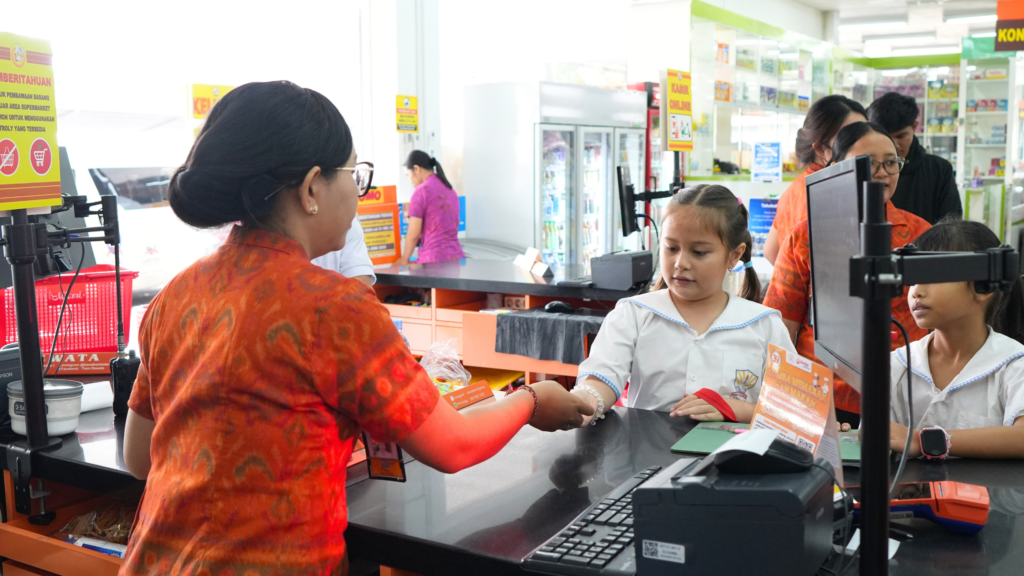
    Make a simple roleplay to make them understand where money comes from through helping with chores or daily tasks and reward them cash in return. Or simply turn grocery shopping into a learning experience by comparing prices and making choices together.
  • Use the 50/30/20 Rule Simplified
    Teach children to divide their money: 50% for needs/saving, 30% for wants, and 20% for giving or long-term goals. Adjust according to age.
  • Open a Real Savings Account
    Once they’re old enough, take them to the bank to open their own account. Seeing their money grow teaches the power of patience and compound interest.
  • Role Play Real Life Scenarios
    Play “shop” at home or create a pretend budget for a weekend trip. Make it fun and interactive as it will also strengthen the bond between parents and kids.
  • Talk Openly About Money
    Regular, calm conversations about family finances help demystify money and reduce anxiety around it. Keep in mind that you should not oversharing if there’s any financial problem in the family.

At Doremi Preschool and Santosa Intercultural School, we support these values through our character education program as well as our regular unit plan.

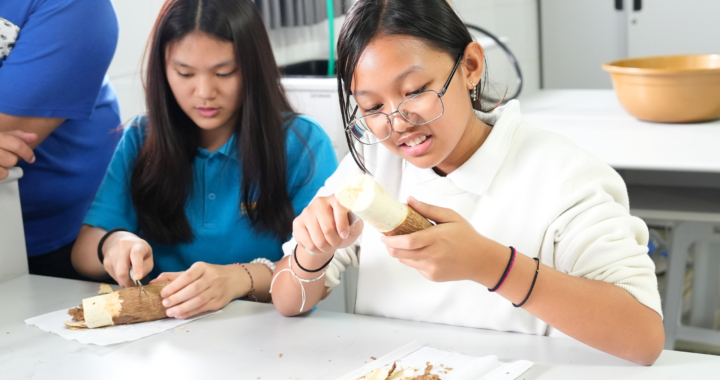
Students learn responsibility not only in academics but also through real life projects that build decision making and planning skills.

Common Mistakes Parents Should Avoid

While teaching financial responsibility, watch out for these common pitfalls:

  • Giving money without any responsibilities attached
  • Be the “back up plan” for your child every time they make a poor money choice
  • Never talking about money because it feels uncomfortable
  • Focusing only on saving while ignoring the joy of generous giving

The goal is balance, teaching children that money is a tool, not the ultimate goal.

How Santosa Intercultural School Builds Financial Responsibility

While we don’t run a formal finance class in early years, our holistic IEYC and Cambridge Curriculum naturally develops responsibility through project based learning, goal setting, and reflection. Our kindergarteners learns the value of money through roleplays to make them have a better idea without overthinks their young minds.

As we wants them to be an independent individuals, we encourage our students to plan, develop their own resource management, the value of contribution, and foundational skills for financial responsibility.

It would be a great support from parents to partner with us so that values taught at school are reinforced at home, creating consistency for our child’s development.

Believing that the lessons that they got in the school are things that they can actually practice it in the daily life is one of our goal to brings them to become a global responsible citizens of the world.

Financial Responsibility

Start Small, Think Long Term

Teaching financial responsibility doesn’t require perfection. Start with small, what really matters is consistent habits.

Celebrate the progress, no matter how small. Be patient when mistakes happen as they are part of the learning process.

The children who grow up understanding money will have greater freedom, confidence, and peace of mind as adults.

By teaching them early, you’re giving them one of life’s most important skills. If you’re looking for a school that supports the development of responsibility and not overly concerning in academic progress, we invite you to our International School in Bali environment and balanced curriculum help children develop not just academically.

Professional Source from:

https://www.forbes.com/sites/kerryhannon/2018/10/21/how-to-teach-your-kids-about-money

Extracurricular Activities

Extracurricular Activities Balance: How Many is Too Many?

Discovering what your kids’ passions and talents while doing a busy fast moving life can sometimes be exhausting for parents.

We truly understand the struggles, and that’s why in both Doremi Preschool and Santosa Intercultural School we provides additional extracurricular activities, from music lessons and sports to art classes and language clubs.

To answer the important question every parent eventually asks: How many extracurricular activities are too many?

The truth is, more is not always better. While extracurricular activities offer wonderful benefits, too many can lead to stress, exhaustion, and even burnout in children.

Finding the right balance is one of the most valuable things you can do for your child’s wellbeing and long term growth.

At Doremi Preschool and Santosa Intercultural School, a International School in Bali, we believe in a holistic approach.

As a certified IEYC and Cambridge curriculum school, we enhance rich learning experiences to help our parents to understand how to choose extracurricular activities wisely, ensuring children still have time to play, rest, and simply be kids.

Extracurricular Activities

The Real Benefits of Extracurricular Activities

When chosen thoughtfully, extracurricular activities bring tremendous value. They help children to:

  • Discover new passions and talents
  • Develop social skills and teamwork
  • Build discipline, time management, and resilience
  • Boost confidence and self-esteem

Recent research shows that well-balanced extracurricular activities can improve academic performance, reduces mood swing, and overall happiness. However, balance is the keyword for this positive impacts.

The Hidden Cost of Over Scheduling

It’s pretty common that in these modern yet rapid life phase era, parents fill their child’s week with multiple activities after school to keep their child occupied or simply another options to reduce screen time, which as we all know, not a good habit for kids.

While the intention is good, too many extracurricular activities can have the opposite effect. Children may become tired, irritable, anxious, or even lose interest in the very things they once loved.

According to pediatric experts at Portland Pediatric Associates, there are some side effects from over-scheduled kids, such as:

  • Increased stress and anxiety
  • Less time for free play and creativity
  • Reduced family connection
  • Sleep problems and exhaustion

The result? Instead of raising happy, well-rounded children, we risk their happiness and make them prone to stress and burnt out.

The article “Extracurricular Activities & Daily Balance: How Many Is Too Many?” from Portland Pediatric Associates clearly explains that quality matters far more than quantity.

So, How Many Extracurricular Activities Is Too Many?

There is no magic number that fits every child. The right balance depends on your child’s age, personality, energy level, and interests. However, most child development experts recommend the following guidelines:

  • Ages 3-6 (Preschool/Early Primary): 1-2 activities per week maximum
  • Ages 7-10: 2-3 activities per week is usually ideal
  • Ages 11 and above: 3 activities maximum, with at least 2-3 completely free afternoons

The most important rule? Leave enough free time for play, rest, and family connection. Children need time to daydream, exploring their own games, and simply relax.

Signs Your Child Has Too Many Extracurricular Activities

Watch for these warning signs that your child may be over scheduled:

  • Frequent complaints of tiredness or boredom with activities
  • Resistance or meltdowns before activities
  • Declining school performance or attention
  • Less time for family meals or relaxed play
  • Physical symptoms like headaches or stomach aches from stress

If you notice any of these, it may be time to review and reduce the number of extracurricular activities.

Extracurricular Activities

Find the Right Balance for Your Child

Here are some practical tips to strike a healthy balance:

  1. Prioritise Quality Over Quantity
    One activity your child truly loves is far better than four they only tolerate.
  2. Protect Free Play Time
    Free, unstructured play is essential for creativity, problem solving, and emotional health. Make sure your child has several afternoons a week with nothing scheduled.
  3. Involve Your Child in the Decision
    Ask them which activities they enjoy most and are willing to commit to.
  4. Consider the Whole Family Schedule
    Too many activities can exhaust the entire family. Choose activities that fit your lifestyle and values.
  5. Re-evaluate Regularly
    Children’s interests and energy levels change. Review the schedule every few months and be willing to drop or pause activities.

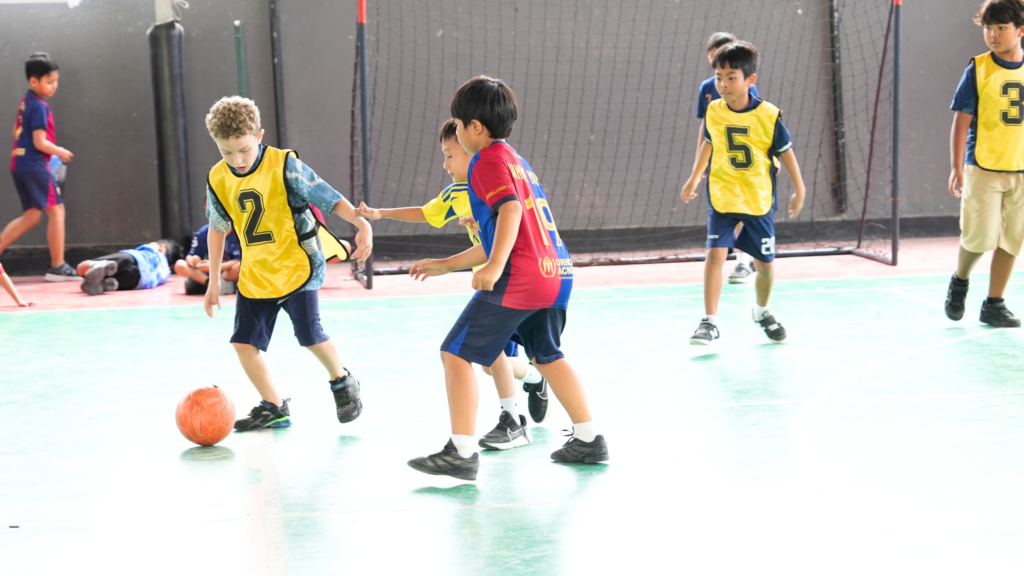
At Santosa Intercultural School, we support this balanced approach. While we offer excellent extracurricular options such as arts, music and sports, we also intentionally protect time for rest and free play. Our goal is to develop well rounded children who are enthusiastic about learning, not exhausted by it.

Final Thought: Less Can Be More

Raising happy, confident children isn’t about packing their schedule as full as possible. It’s about giving them the right experiences in the right amount, with plenty of space to breathe, play, and simply be.

The benefits of extracurricular activities are real, but only when balanced with rest and free time. Your child doesn’t need to do everything. They need the freedom to enjoy what they do.

If you’re looking for a school that truly understands the importance of balance, we invite you to discover Santosa Intercultural School. Our caring community and well designed curriculum support both academic excellence and a healthy, joyful childhood.

Professional Source from: