
Discovering what your kids’ passions and talents while doing a busy fast moving life can sometimes be exhausting for parents.
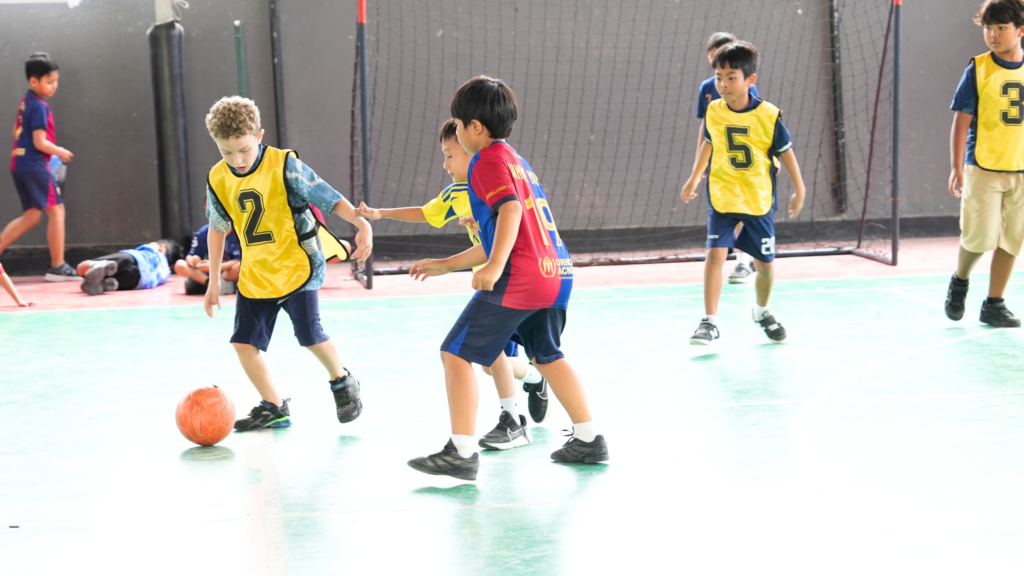
We truly understand the struggles, and that’s why in both Doremi Preschool and Santosa Intercultural School we provides additional extracurricular activities, from music lessons and sports to art classes and language clubs.
To answer the important question every parent eventually asks: How many extracurricular activities are too many?
The truth is, more is not always better. While extracurricular activities offer wonderful benefits, too many can lead to stress, exhaustion, and even burnout in children.
Finding the right balance is one of the most valuable things you can do for your child’s wellbeing and long term growth.
At Doremi Preschool and Santosa Intercultural School, a International School in Bali, we believe in a holistic approach.
As a certified IEYC and Cambridge curriculum school, we enhance rich learning experiences to help our parents to understand how to choose extracurricular activities wisely, ensuring children still have time to play, rest, and simply be kids.

The Real Benefits of Extracurricular Activities
When chosen thoughtfully, extracurricular activities bring tremendous value. They help children to:
- Discover new passions and talents
- Develop social skills and teamwork
- Build discipline, time management, and resilience
- Boost confidence and self-esteem
Recent research shows that well-balanced extracurricular activities can improve academic performance, reduces mood swing, and overall happiness. However, balance is the keyword for this positive impacts.
The Hidden Cost of Over Scheduling
It’s pretty common that in these modern yet rapid life phase era, parents fill their child’s week with multiple activities after school to keep their child occupied or simply another options to reduce screen time, which as we all know, not a good habit for kids.
While the intention is good, too many extracurricular activities can have the opposite effect. Children may become tired, irritable, anxious, or even lose interest in the very things they once loved.
According to pediatric experts at Portland Pediatric Associates, there are some side effects from over-scheduled kids, such as:
- Increased stress and anxiety
- Less time for free play and creativity
- Reduced family connection
- Sleep problems and exhaustion
The result? Instead of raising happy, well-rounded children, we risk their happiness and make them prone to stress and burnt out.
The article “Extracurricular Activities & Daily Balance: How Many Is Too Many?” from Portland Pediatric Associates clearly explains that quality matters far more than quantity.
So, How Many Extracurricular Activities Is Too Many?
There is no magic number that fits every child. The right balance depends on your child’s age, personality, energy level, and interests. However, most child development experts recommend the following guidelines:
- Ages 3-6 (Preschool/Early Primary): 1-2 activities per week maximum
- Ages 7-10: 2-3 activities per week is usually ideal
- Ages 11 and above: 3 activities maximum, with at least 2-3 completely free afternoons
The most important rule? Leave enough free time for play, rest, and family connection. Children need time to daydream, exploring their own games, and simply relax.
Signs Your Child Has Too Many Extracurricular Activities
Watch for these warning signs that your child may be over scheduled:
- Frequent complaints of tiredness or boredom with activities
- Resistance or meltdowns before activities
- Declining school performance or attention
- Less time for family meals or relaxed play
- Physical symptoms like headaches or stomach aches from stress
If you notice any of these, it may be time to review and reduce the number of extracurricular activities.
Find the Right Balance for Your Child
Here are some practical tips to strike a healthy balance:
- Prioritise Quality Over Quantity
One activity your child truly loves is far better than four they only tolerate. - Protect Free Play Time
Free, unstructured play is essential for creativity, problem solving, and emotional health. Make sure your child has several afternoons a week with nothing scheduled. - Involve Your Child in the Decision
Ask them which activities they enjoy most and are willing to commit to. - Consider the Whole Family Schedule
Too many activities can exhaust the entire family. Choose activities that fit your lifestyle and values. - Re-evaluate Regularly
Children’s interests and energy levels change. Review the schedule every few months and be willing to drop or pause activities.
At Santosa Intercultural School, we support this balanced approach. While we offer excellent extracurricular options such as arts, music and sports, we also intentionally protect time for rest and free play. Our goal is to develop well rounded children who are enthusiastic about learning, not exhausted by it.
Final Thought: Less Can Be More
Raising happy, confident children isn’t about packing their schedule as full as possible. It’s about giving them the right experiences in the right amount, with plenty of space to breathe, play, and simply be.
The benefits of extracurricular activities are real, but only when balanced with rest and free time. Your child doesn’t need to do everything. They need the freedom to enjoy what they do.
If you’re looking for a school that truly understands the importance of balance, we invite you to discover Santosa Intercultural School. Our caring community and well designed curriculum support both academic excellence and a healthy, joyful childhood.
Professional Source from: